

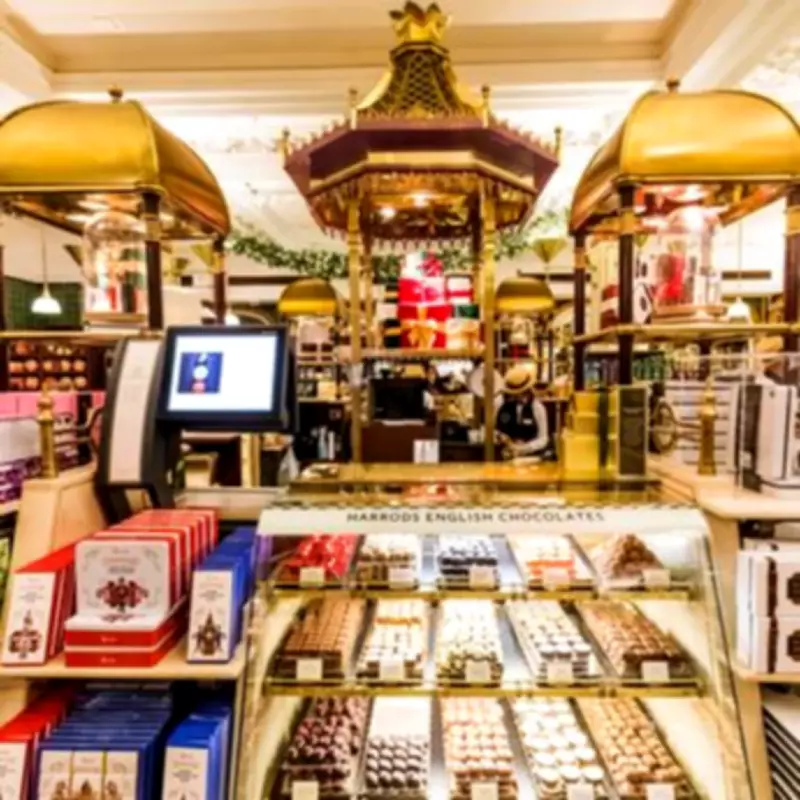
A social media user's purchase of a £25 mystery food bag from the prestigious Harrods department store has ignited a fierce online debate about value and the ethics of selling surplus stock. The buyer, known as Bryce on TikTok, documented the contents of his "ambient" bag from the Too Good To Go app, which aims to reduce food waste by offering discounted items nearing their sell-by date.
Unboxing the Luxury Mystery Bag
Bryce, who regularly shares food-related content, sought out what he described as the "most expensive Too Good To Go bag" available, paying £24.99 for an ambient bag from Harrods. He initially believed this meant he could receive any products from the store, but ambient specifically refers to items that can be stored at room temperature, excluding refrigerated goods.
Contents Revealed: A Festive Surprise
Upon opening the bag, Bryce discovered a collection of Christmas-themed products. The first item was a 250g tin of Harrods' Christmas Spiced Coffee, with a best-before date of July 2026, giving him ample time to use it. This limited-edition coffee was originally priced around £15 during the 2025 holiday season and is currently out of stock on Harrods' website.

Next, he pulled out a 200g tin of Harrods' All Butter Chocolate Chunk Biscuits, which retail for £14 on the website. Following this was a jar of Christmas Marmalade, another seasonal exclusive typically priced at approximately £7. The bag also contained a heart-shaped lollipop with the Harrods logo and a bar of milk chocolate, the latter usually costing £8.
Calculating the Value: Bargain or Rip-Off?
Based on standard retail prices, the four items with listed values total £44, plus the unspecified cost of the lollipop. This means Bryce paid significantly less than the combined original price, suggesting he received good value for money. However, the festive nature of the products, being sold in April, has sparked controversy among viewers.
Mixed Reactions from the Public
Many commenters criticised the purchase, arguing that Harrods was offloading old Christmas stock that would otherwise be discarded. One person remarked, "Absolutely not. They gave you leftover Christmas products in April. By January, they would have been tossed if they didn't sell. It's April!" Another added, "£24 for that isn't worth it. If there was more stuff, then yeah."
Conversely, others defended the bag's worth, noting the high cost of specialty items. A supporter stated, "Coffee is pretty expensive nowadays, so with speciality coffee included, £24 isn't too bad in my opinion." This highlights a divide between those focusing on the discounted luxury and those questioning the relevance of seasonal goods.
The Broader Context of Too Good To Go
The Too Good To Go app is designed to combat food waste by allowing businesses to sell surplus perishable items at reduced prices. Customers purchase mystery bags without knowing the exact contents, which vary daily based on what is left over. While this promotes sustainability, it also involves an element of risk, as seen in Bryce's experience with Harrods' festive assortment.
This incident underscores ongoing discussions about consumer expectations in the luxury retail sector and the effectiveness of food waste initiatives. Whether viewed as a clever bargain or a disappointing rip-off, Bryce's £25 bag has certainly stirred conversation about value, seasonality, and ethical consumption in modern shopping practices.






