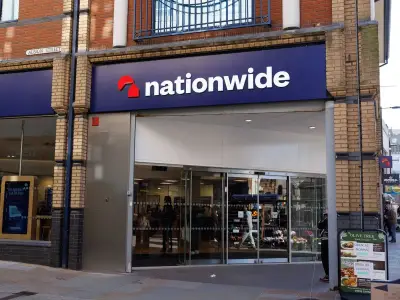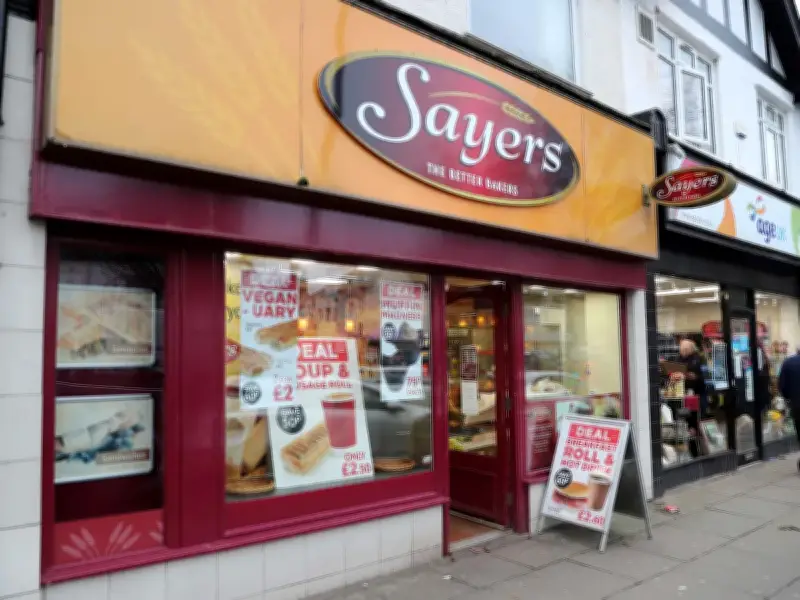
Sayers, a Merseyside bakery icon since 1912, is retreating from the high street, closing 19 "underperforming" sites amid what analysts call a "perfect storm" of rising costs. Meanwhile, Greggs continues to expand, now boasting more than 2,700 stores nationwide.
The closures, announced this week, affect stores under the Sayers and Poundbakery brands. Parent company S&PB Retail blamed a "difficult trading period" driven by changing customer habits and high costs. This follows other closures last year, which the company attributed to "the ever-evolving High Street and wider market challenges."
Smaller Bakeries Face Mounting Pressures
Sayers is not alone in its struggles. Trade publication British Baker regularly reports on store closures and even companies forced to close entirely. The Craft Bakers Association (CBA) warns that without more government support, "we risk losing more long-standing independent bakeries from our high streets and communities."

Recent crises include South East chain Coughlans Bakery, which entered liquidation last month, and Huddersfield cafe chain Merrie England, which announced its closure in July. Amy North, editor of British Baker, said: "In the bakery sector there are some real pressure points, as there are across retail and hospitality."
North described a "perfect storm" of rising ingredients costs, customers under financial pressure, struggling high streets, and a skills gap. "It's really difficult to get trained bakers. They're like gold dust," she said.
Costs Too High to Pass On
Karen Dear, CEO of the CBA, said smaller bakery firms struggle particularly with rising costs, including increased National Insurance contributions and the rising National Living Wage. "When you're looking at increased costs, small community businesses just can't keep putting 10p, 20p, 30p onto prices, they just can't do that," she said.
Dear added that government legislation is "written generally for multinationals," with no consideration for small and family businesses. She called on ministers to "talk to the businesses that are in this industry" to understand the real-world impact of policy changes.
How Greggs Became a National Giant
Greggs, founded in Newcastle in 1939, grew through acquisitions in the 1970s and 1990s, becoming Britain's biggest bakery by that decade. Under CEO Roger Whiteside, who joined in 2013, the company shifted focus from being a craft baker to a "food-to-go retailer," competing with the likes of McDonald's.
North noted Greggs' success comes from economies of scale, own manufacturing, and flexible store formats. Last year it opened smaller "Bitesize" stores in train stations and shopping centres, and this year it started trialling Greggs Express self-service cabinets in petrol stations. "They are targeting locations where people are," she said.
Greggs also closes stores when needed—last year it lost 56 stores but opened 87, many as relocations. North said: "They are constantly re-shuffling their estate… But they are opening more than they are shutting."
Greggs is not immune to market conditions, describing the first half of 2025 as "challenging" due to cost headwinds and weather impacts. North said: "It's not just a clear story of massive turnover and profit growth. It's been interesting to watch them go through that."
Sayers, in a statement to the ECHO, said the closures, expected to result in approximately 100 redundancies out of 800 employees, follow a "comprehensive review" of its portfolio. The company said its focus is "safeguarding the future of the business, investing in our remaining 72 shops and protecting approx. 700 jobs while preserving our place on the high street, where we have been for 114 years."