

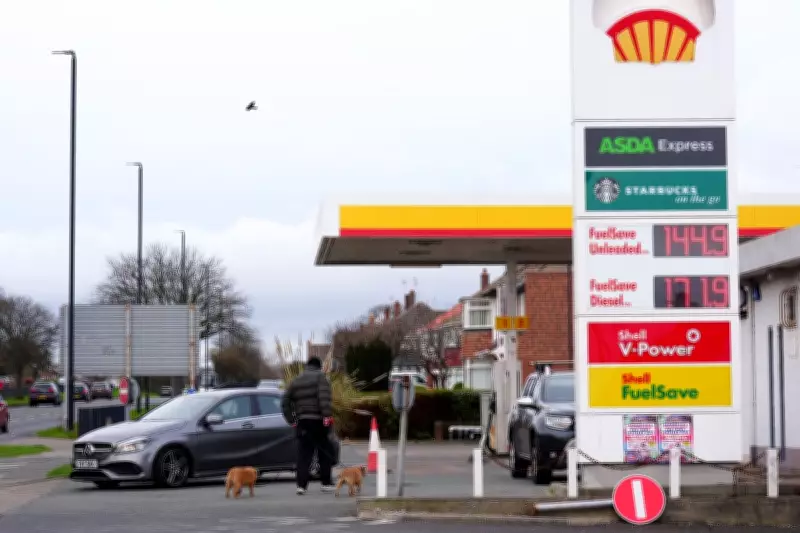
Fuel retailers have dramatically withdrawn from a scheduled high-level meeting with Chancellor Rachel Reeves, citing serious concerns that government ministers' comments about alleged 'price gouging' have directly led to increased abuse of retail staff across the country. The Petrol Retailers Association (PRA), which represents independent forecourts, has publicly criticised what it describes as 'incorrect and inflammatory language' used by politicians, stating there is an urgent need to educate officials on how the complex fuel market actually operates.
Background to the Dispute
The withdrawal follows Chancellor Rachel Reeves' recent formal request to the Competition and Markets Authority (CMA) to 'crack down' on what she termed 'rip-off' fuel prices at the pumps. In her communication, Ms Reeves explicitly warned against firms exploiting ongoing Middle East geopolitical uncertainty to generate excess profits, a claim that has sparked significant controversy within the industry.
Industry Response and Margins
Gordon Balmer, the Executive Director of the PRA, has now requested a private meeting with the Chancellor to explain the intricate workings of the fuel market without media presence, arguing that public accusations have created a hostile environment. The association has emphasised that its members are currently operating on 'razor thin or in some cases negative margins' while simultaneously working diligently to provide competitive fuel prices to British motorists.

The PRA's statement highlighted that the 'inflammatory language' from government ministers has not only damaged relations but has also resulted in frontline staff facing verbal abuse from customers who believe they are being systematically overcharged. This development comes amid broader political debates about fuel pricing mechanisms and the impact of various levies on final pump prices.
Political Context and Market Education
The association maintains that there is a fundamental misunderstanding among politicians about how fuel pricing is determined, involving global oil markets, refining costs, distribution logistics, and taxation structures. They argue that characterising normal market fluctuations as 'price gouging' misrepresents the economic realities facing retailers, particularly smaller independent operators who dominate the PRA's membership.
This incident represents a significant breakdown in communication between the government and a key industry sector at a time when fuel prices remain a sensitive political issue. The PRA's withdrawal from the scheduled meeting underscores the deepening rift over how fuel pricing should be discussed publicly and what constitutes fair criticism versus what the association views as damaging rhetoric that endangers staff welfare.






