

Easter Egg Prices Soar 9% as Cocoa Crisis Hits UK Supermarkets
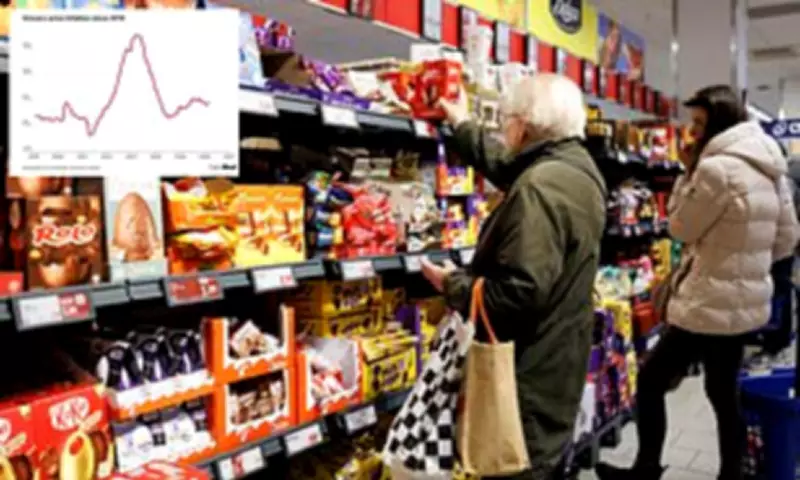
The cost of Easter eggs in UK supermarkets has surged by 9% over the past year, with the average price now standing at £3.27, according to the latest data from Worldpanel by Numerator. This increase comes despite overall grocery price inflation holding steady at 4.3% in March, a figure that experts caution is "likely to increase" as the ongoing conflict in the Middle East continues to disrupt supply chains.
Chocolate Inflation and Cocoa Shortages
Annual chocolate price inflation remains high at 8%, although this marks a slight decrease from 9.3% last month. Retailers and manufacturers attribute the rapid price rises to a severe global cocoa shortage, fueled by poor harvests, disease, and ageing trees in West Africa. Compounding these issues are heightened demand and increased costs for energy and transportation.
Fraser McKevitt, head of retail and consumer insight at Worldpanel, noted: "While the pace of chocolate price inflation eased again, continued price pressures mean the average amount paid for an Easter egg was 9% higher than last year." He added that there is no sign of shoppers opting for smaller eggs, with the average weight marginally increasing to 162g.

Grocery Inflation and Consumer Vulnerability
Overall grocery price inflation held at 4.3% in March, but researchers warn that each additional 1% could add over £50 to the annual supermarket bill for the average household. Prices are rising fastest for fresh unprocessed meat, chilled ready meals, and coffee, while falling for chilled butter, spreads, sweets, and household paper.
McKevitt emphasized: "Financial anxiety among British consumers was already running high before the conflict began. And with grocery inflation likely to increase and fuel costs rising sharply, the conditions that make shoppers feel vulnerable are only intensifying." More than 20% of Britons describe themselves as financially struggling, with over 60% extremely concerned about rising grocery prices.
Supermarket Performance and Market Shifts
Take-home sales at supermarkets increased by 4.4% in the four weeks to March 22 compared to last year. Lidl led market share gains, rising 0.5 percentage points to 8.3%, with sales up 9.6% year-on-year. Online retailer Ocado saw sales surge by 12.3%, now holding 2.2% of the market.
Sainsbury's attracted 387,000 more households than a year ago, while Tesco maintained a 28% market share with sales up 5%. Asda held 11.6% of the market despite a 0.9% sales decline, and Waitrose achieved its fastest growth in five years at 5.8%, driven by higher average spending per trip.
Shrinkflation and Broader Price Pressures
A recent investigation by Which? exposed "shrinkflation" across supermarket chains, with Easter eggs and chocolate products from brands like Cadbury, M&Ms, Galaxy, Maltesers, and Toblerone seeing significant price rises per gram. One notable example was a Galaxy Milk Chocolate Extra Large Easter Egg, which increased by 44% in price per gram from 2025 to 2026.
Separate data from the British Retail Consortium and NIQ revealed that shop price inflation edged up to 1.2% in March, up from 1.1% in February, as higher costs from the Middle East conflict began to impact supply chains. Food inflation eased slightly to 3.4% due to falling dairy prices, but non-food inflation rose to 0.1% despite promotions on items like alcohol, electronics, and clothing.
The BRC warned of "storm clouds loom" despite subdued inflation, highlighting ongoing economic pressures. Despite these challenges, consumer demand persists, with over 40% of shoppers buying hot cross buns and 30% purchasing Easter eggs in the past four weeks, indicating resilience amid rising prices.






