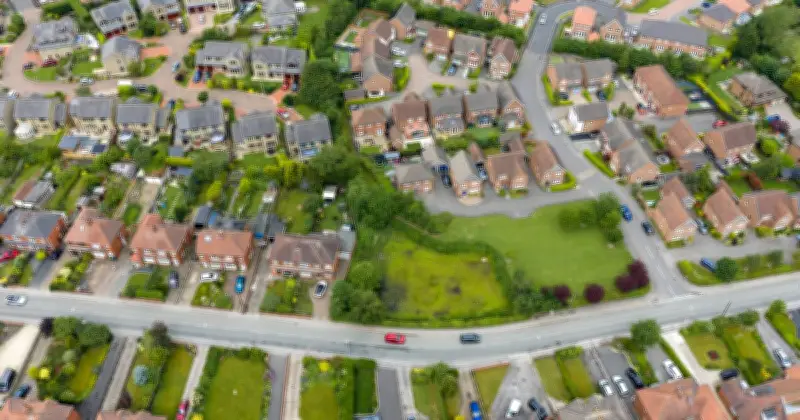
Thousands of homeowners renovate their driveways each year without realizing they may need to consider drainage regulations and planning requirements. According to SuDS (sustainable drainage systems) compliance, a new driveway exceeding 5 square meters generally must be permeable or direct water to a suitable drainage area to help prevent flooding and reduce pressure on public drainage networks. This allows rainwater to naturally filter into the ground, unlike traditional asphalt driveways that cause runoff into public systems.
Common Driveway Mistakes
Focusing Only on Appearance
While it is tempting to focus solely on the finished look, prioritizing functionality and drainage is essential to stay within the rules. Amy Andrews, managing director of RF Paving, said: "I think people focus on what it's going to look like at the end, and the drainage is a bit of an afterthought. They just happen, you don't think about them too much. But with drainage, it can actually be quite an issue if not done properly." Andy McLaughlin, sales and operations director, added: "Certain driveways can be illegal. Anything over five square metres when you're inputting a driveway, you generally need planning permission. There are various things to consider such as drainage and where that surface water is going to go."
Overlooking What Lies Beneath
Homeowners often treat driveway renovations as a surface-level project rather than considering the entire system. Andy explained that porcelain paving can still be used if the system is permeable: "Your paving itself doesn't need to be permeable, but your paving system does. The jointing compound and all the things below it is what lets the water through." Amy added: "You can't use porcelain if the sub base and everything's not prepped to be permeable. You've got to plan it from the ground up."
Overlooking Water Drainage
Local councils can issue enforcement notices to ensure compliance with SuDS regulations. Planning permission is required for driveways over 5sqm using impermeable materials like concrete, asphalt, or porcelain. Andy advised: "It should be one of the first things you think about. The regulations are there and they will advise you. You've always got to check with the council before you do any work." Amy emphasized: "If it's over five square metres between your house and the frontage, and it is not running to a permeable area, that's when it can become illegal. All runoff water must run into your own property and not into the highway."