

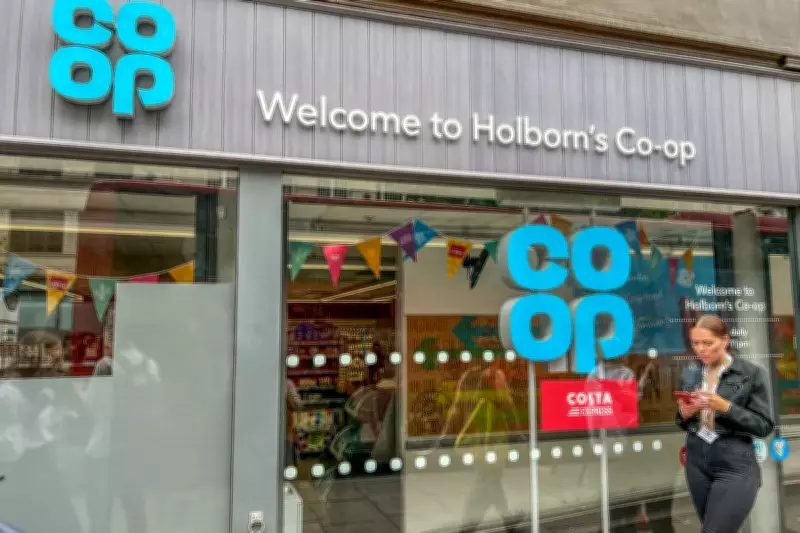
The Co-op Group is poised for a substantial expansion of its retail and funeral operations through a proposed acquisition of Southern Co-op. This strategic move, subject to member approval, would integrate hundreds of new food shops, funeral services, and Starbucks branches into the Co-op Group's extensive network.
Details of the Proposed Merger
The proposals involve merging Southern Co-op's 300,000 members with the Co-op Group's existing seven million-strong membership base. This acquisition would encompass approximately 300 outlets from Southern Co-op, including food stores, funeral homes, and Starbucks locations, as well as three crematoria. Notably, this marks the Co-op Group's re-entry into the crematoria market, enhancing its funeral service offerings.
Financial and Operational Background
While the financial terms remain undisclosed, Southern Co-op, established in Portsmouth in 1873, primarily operates across southern England, including London, under brands such as Co-op Food and Welcome. The societies are awaiting member approval to proceed with the merger, which is structured as a "transfer of engagements" to facilitate their union.

Leadership Perspectives on the Deal
Ben Stimson, Southern Co-op's chief executive, emphasized that this deal would secure the future of the business, which has faced challenges like falling profits and rising costs. He stated, "By coming together, we can secure the co-operative future of Southern Co-op as part of a stronger combined Co-op Group, whilst creating an even stronger voice nationally and internationally to advance the co-operative cause."
Kate Allum, Co-op Group's interim chief executive, highlighted the benefits for members, saying, "Joining forces across Co-op Group and Southern Co-op will create new opportunities for members to have access to a greater range of benefits across a wider society, with more trading opportunities, and in turn more benefits for them and their communities."
Approval Process and Timeline
Southern Co-op members will vote on the proposals, which, if approved by members and regulators, are expected to finalize in the last quarter of 2026. Co-operatives, as member-owned and controlled businesses, allow their members to influence operational decisions, ensuring this merger aligns with collective interests.






