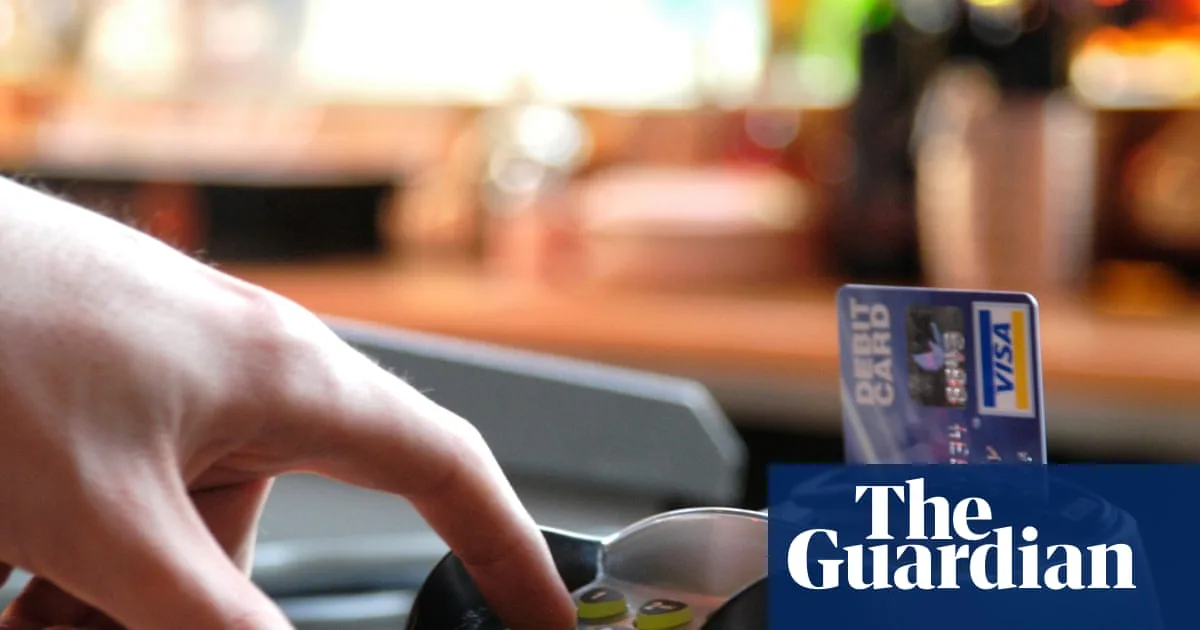
Readers have responded to Sammy Gecsoyler’s article about his week without bank and contactless cards, highlighting the challenges faced by those who rely on cash. Val Major from Bristol notes that while Gecsoyler’s experiment was insightful, he is young, employed, and city-based. She points out that rural residents depend on cash for small payments such as village society entry fees, volunteer-provided lunches, and community bus fares.
Major also emphasises that using cash fosters face-to-face contact, which is increasingly rare but beneficial to communities. She agrees with Gecsoyler’s observation that cash spending makes people more aware of costs, helping them assess necessity amid high living expenses.
Christopher Ruane from Lanark warns of a digital apartheid, citing the £10 charge for an Oyster card on London transport. He argues that this is not a deposit but a profit-driven cost for a cheap piece of plastic, contrasting with free loadable cards in Athens and other European capitals.
Albert Beale from London adds that while Gecsoyler’s week was lighthearted, for those who normally use only cash, being turned away from shops, cafes, and venues is no joke. The letters collectively call for preserving cash access to avoid excluding vulnerable groups.