
Major concerns have been raised about changes to the pension system that will lead to millions of people receiving their state pension later. This year, the transition for people to get their pension at 67 began, which MPs said 'may have an even greater effect' than the previous rise to 66 in 2020.
MPs Warn of Unawareness and Health Challenges
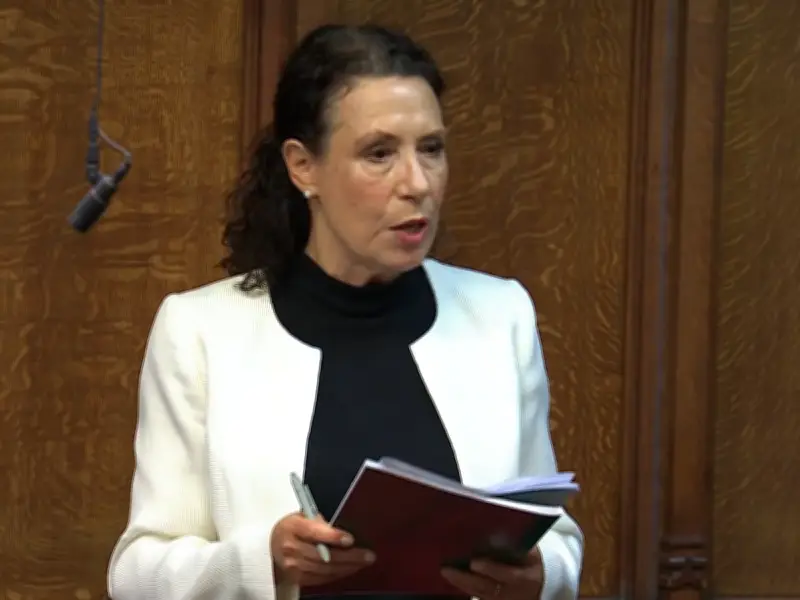
In the Commons, the Work and Pensions Committee made a statement on the changes and voiced serious concerns about the capacity of many people to keep working until a later age. Select Committee Chair Debbie Abrahams said it had been carrying out an inquiry into the changes, and she revealed many were unaware of the change, urging the new administration to take action.
She said: 'Many—but not all—know, the state pension age has started to rise from 66 as of April this year, and will reach 67 by April 2028.' The Committee said one reason for the change was the rise in spending on state pensions. In 2005, spending on the state pension and pensioner benefits was 5.3% of GDP. Twenty years later, as society has aged, that figure has increased to 6%, and it is estimated that by 2070 it will be as high as 9%.
Health and Poverty Concerns
Abrahams said: 'It is clear that disadvantage, ill health and frailty are not spread evenly across the country; they are concentrated in some communities more than others, and they go hand in hand with poverty.' The Committee said many people reach their early 60s in poor health and unable to work, after years in low-paid and often physically demanding work.
One explanation for the rise has also been better health in later life, but Abrahams said life expectancy is in fact going down: 'As the Health Foundation’s recent report shows, since 2012 the healthy life expectancy—the average age someone is expected to live in good health—has fallen by two years, to 60.7 years for men and 60.9 years for women. Again, that is an average; in areas such as mine, a former industrial area, the healthy life expectancy for men and women is 56 and 58 years, so we can see the difficulties that the country is facing with this issue.'
Low Employment Rates Among Older Workers
Abrahams said the figures suggest that people are not working up to the new pension age. In 2025, only 42% of people aged 65 were in work. For those aged 66—the current state pension age—that figure fell to under 30%, less than one in three. She added: 'On the flip side, we heard about older workers who wanted to work but could not find a suitable job, and people who had left employment because of illness or caring responsibilities and could not get back into work. Sometimes these people ended up having to draw down small pension savings just to get by before their state pension began. It is not generally recognised that the previous state pension age increase from 65 to 66 caused a doubling of absolute poverty among 65-year-olds. Our real concern is that the rise in the state pension age to 67 may have an even greater effect.'
The Committee heard that work-limiting health conditions among people aged 60 to 64 have increased from 28% in 2014 to 31% in 2024. Almost half of people aged 60 to 66 in the lowest income quintile were already classified as frail.
Call for Additional Support
People need more support, including an uplift in universal credit in the year before state pension age, with the aim of introducing additional support by the end of this year. Abrahams said: 'We heard that such an increase would cost around £600 million a year, but that must be considered alongside the estimated savings of around £10.5 billion a year once the state pension age is 67, compared with if it had stayed at 66.'
She added there were concerns people were unaware of the new change to 67. 'Not everybody is aware of the increase to 67, and we know from previous pension policy the impact that can have on people. Finally, I express my concern about the irresponsible rumours of a potential acceleration of the further increase in the state pension age. That fear-mongering is unhelpful, to say the least, and is untrue.'
DWP Action Plan
The Department for Work and Pensions has confirmed it has been contacting individuals regarding a significant change to the state pension age. The DWP outlined its strategy today to prevent a repeat of the controversy that affected people when women’s pension age was altered in 2005. The process has already commenced this year, with a gradual shift from 66 to 67 underway. The current state pension age stands at 66 but will rise incrementally over the coming two years until reaching 67.
From April 2026, the Government began a phased rise in State Pension age from 66 to 67, to be completed within two years. When the pension age previously rose from 65 to 66, it forced an extra 100,000 65-year-olds into absolute income poverty compared to the period before the adjustment.
Date of birth - Date State Pension age reached:
- 6 April 1960 - 5 May 1960: 66 years and 1 month
- 6 May 1960 - 5 June 1960: 66 years and 2 months
- 6 June 1960 - 5 July 1960: 66 years and 3 months
- 6 July 1960 - 5 August 1960: 66 years and 4 months
- 6 August 1960 - 5 September 1960: 66 years and 5 months
- 6 September 1960 - 5 October 1960: 66 years and 6 months
- 6 October 1960 - 5 November 1960: 66 years and 7 months
- 6 November 1960 - 5 December 1960: 66 years and 8 months
- 6 December 1960 - 5 January 1961: 66 years and 9 months
- 6 January 1961 - 5 February 1961: 66 years and 10 months
- 6 February 1961 - 5 March 1961: 66 years and 11 months
- 6 March 1961 - 5 April 1977: 67




