
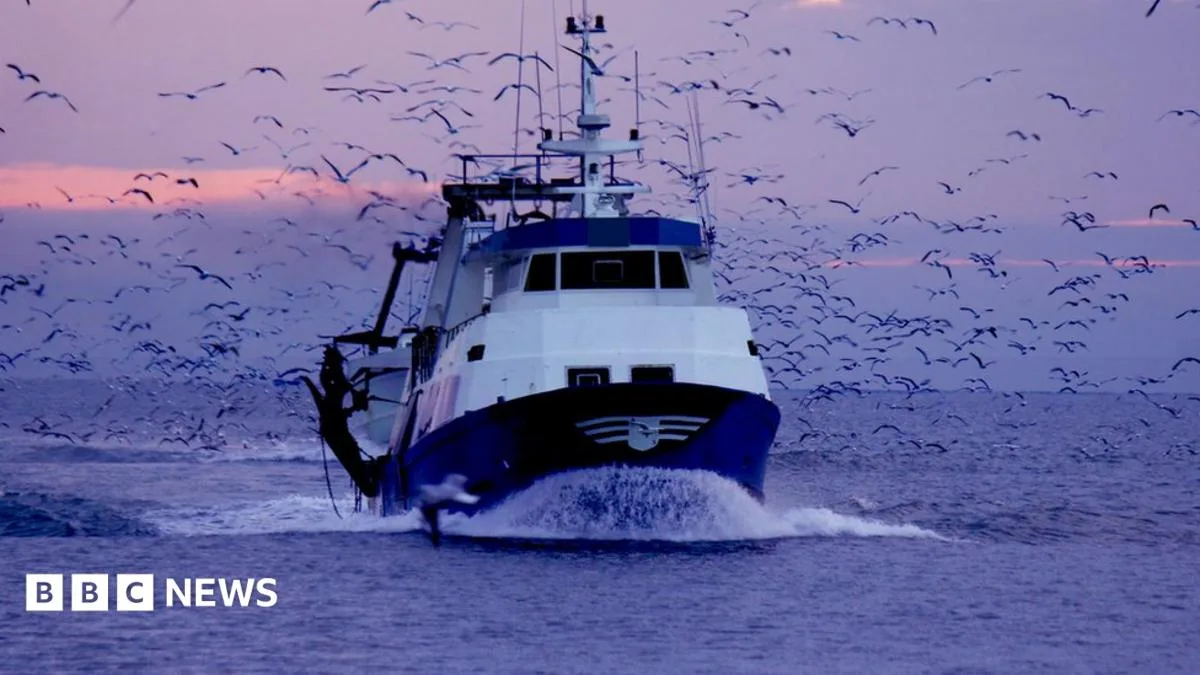
WWF Scotland has warned that the ban on discarding fish in the fishing industry is being undermined due to ineffective policing. The number of Scottish boats carrying remote electronic monitoring cameras has halved since the scheme was introduced in 2014, from 32 to just 15.
The discard ban covers species such as North Sea cod and whiting, which can no longer be thrown back into the sea. Fishermen have traditionally discarded unwanted fish because they carry lower financial value but would count against quotas if landed.
Helen McLachlan, fisheries governance programme manager at WWF Scotland, expressed significant concerns about the levels of monitoring and control. She noted that, on average, less than one per cent of fishing trips are being monitored, compromising stock management. The incentive that gave skippers additional quota for North Sea cod in return for installing cameras ended this year.
The fishing industry, represented by the Scottish Fishermen's Federation (SFF), has opposed the 'inflexible' implementation of the discard ban under the Common Fisheries Policy. SFF chief executive Bertie Armstrong said cameras are 'a little sideshow' and will not solve the problem, emphasising the need to get the rules right.
A Scottish government spokeswoman stated that no one wants to see dead fish discarded and that the fleet has made good progress in reducing discards. She added that the government is working to implement the ban in a pragmatic, proportionate, and phased way, which will be good for conservation and sustainable catches.




