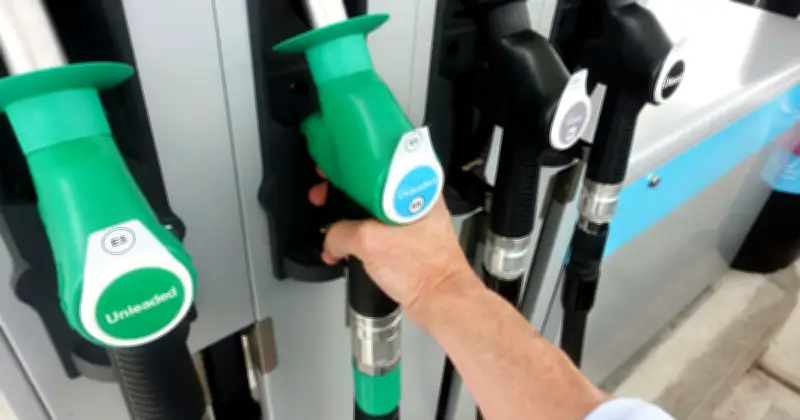
Certain petrol and diesel owners will notice a 1p per mile rise from Tuesday as new HMRC fuel advisory rates come into effect. In mixed news for drivers, some motorists will be able to claim back more money for getting behind the wheel of their company car, while others face higher bills.
How the rates work
Businesses usually use HMRC’s fuel rates to reimburse staff for business travel in company cars. The fees can also be used to work out how much employees must repay for any private fuel use in company vehicles.
The rates are reviewed every three months, with the latest mileage fees set to change from Tuesday, September 1.

What changes for petrol and diesel cars
Petrol cars with an engine of more than 2,000cc will make savings, with road users able to claim back 27p per mile from September, up from 26p per mile.
Fees for smaller petrol cars, with engines of up to 1,400cc, remain unchanged, with rates at 14p per mile. The same can be said for petrol engines between 1,401-2,000cc, with mileage rates staying at 17p per mile.
However, diesel cars with an engine size of between 1,601-2,000cc will have their advisory fuel rates cut, with payments down from 17p per mile to 16p per mile. Changes will also hit diesel models with an engine between 1,601-2,000cc, with fees to be cut from 23p per mile to 22p per mile.
Despite this, advisory fuel rates for a diesel company car up to 1,600cc remain unchanged, with charges staying at 15p per mile.
LPG vehicles and how rates are set
It doesn't stop there, with LPG vehicles with an engine greater than 2,000cc also seeing advisory fuel rates cut from 21p per mile to 20p per mile.
HMRC calculates advisory fuel rates by using data from the Department for Energy Security and Net Zero (DESNZ) to review the current cost of fuel in the UK.
The RAC said: “Advisory Fuel Rates (AFRs) are the rates set by government to assist businesses in reimbursing or being reimbursed for fuel costs of company cars.”
“The mileage rates apply only where a company must repay an employee for business travel in a company car, or where an employee is required to repay the company for personal travel in a company car.”