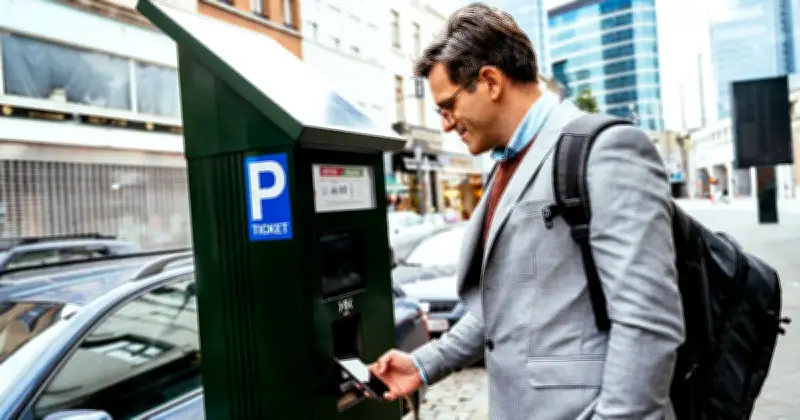
A motoring lawyer has outlined the details of a new Government code of practice for private parking, explaining that drivers can receive a reduced charge in several situations even when facing a parking ticket.
Shazia Ali, head of Scarsdale Solicitors, welcomed the new code, which ministers hope will help prevent “rip-off parking charges”. She said: “The code should improve consistency in parking charges, but it is not about abolishing them altogether.
“The people who will really benefit are motorists making genuine mistakes who then find themselves subjected to unreasonable fines.”
New rights for drivers
The code grants several new rights to help drivers avoid being charged. These include a minimum five-minute consideration period, allowing drivers to enter a car park and then decide to park elsewhere without penalty, and a 10-minute grace period beyond the arranged parking time if a driver is late returning to their car.
Ms Ali said the new policy imposes further obligations on car park providers: “It recommends clearer appeal standards, and mandatory cancellation for specified circumstances outside a motorist's control. So if you have made a genuine mistake, are delayed getting back to your car by illness, childcare or medical appointments, or your vehicle breaks down, you have a lot more room to appeal.”
Reduced charge of £20
One element of the code that could reduce costs for drivers is the potential for a reduced charge of £20 in certain situations. Ms Ali explained: “Under the new code, the maximum private parking charge remains £100, reduced to £60 if paid within 14 days. This is the maximum, so charges will still vary from location to location.
“Certain minor mistakes should produce a reduced charge of £20 following an appeal, for example failing to display an otherwise valid permit or Blue Badge, or entering the wrong registration number.”
The code sets out that a reduced charge of £20 should apply following a first-stage appeal in these situations: where a parking permit has not been displayed but the driver subsequently supplies a copy of the permit they hold that would have been valid at the time identified in the parking charge notice; where the driver has paid the tariff but entered the wrong car registration; and where the vehicle would have been permitted to park, but the driver failed to enter their registration into a terminal or device before leaving the site.
The guidance also mandates that the reduced charge of £20 should apply “where a Blue Badge has not been displayed but the holder supplies a copy of the Blue Badge they hold that would have been valid at the time and in the circumstances identified in the parking charge notice, i.e. that the holder was in the vehicle whether or not as the driver”.
When charges are cancelled altogether
The code also instructs operators that they should cancel a parking charge on appeal in several circumstances. These include: where the driver has paid the tariff but made a minor keying error, such as 0 instead of o, I instead of L, or 1 instead of I, and this has not been picked up by the operator; a vehicle paused on a private road network because the driver needs to check directions; a vehicle driven onto relevant land due to an instruction by a member of the emergency services, or an invitation or instruction from the landholder or parking operator; and a vehicle driven onto relevant land due to an unavoidable emergency, such as serious illness.
Additional cancellation cases include: the onset of illness for the driver or a passenger; delays due to overrunning medical appointments; delays due to childcare arrangements; vehicle breakdowns; and cases where one or more payment machines were out of operation with no reasonable alternative payment options available.
Cancellation should also apply where the parking operator has breached an obligation in the code of practice relating to the issuing of a parking charge, or has breached an obligation resulting in the driver being unable to adhere to the relevant obligations of the car park.
'Innocent mistakes'
Ms Ali said many drivers come to her for help because of common “innocent mistakes”. She explained: “This could be failing to read the entrance and tariff signs, assuming Sunday, evening or Blue Badge parking is free, using the wrong payment application or location code, entering an incorrect vehicle registration, paying for the wrong vehicle, or failing to display a permit or ticket.
“Drivers also confuse the camera-recorded period between entry and exit with the actual paid parking period. Some can overlook maximum-stay or 'no return' conditions, or park outside a marked bay. Other circumstances I see often are when a motorist has paid too long after parking - perhaps they parked at a station but only remembered to pay for parking when they got back to their car.”
She also noted that people often misunderstand rules around no-parking zones: “Another issue we see is people stopping in a prohibited area and assuming that remaining inside the vehicle means it is not parked. If you are caught on camera and there are 'no parking' signs, it doesn't matter if you're still in the car, you're in breach of the rules.”
The new Private Parking Code of Practice is available on the Government website.