
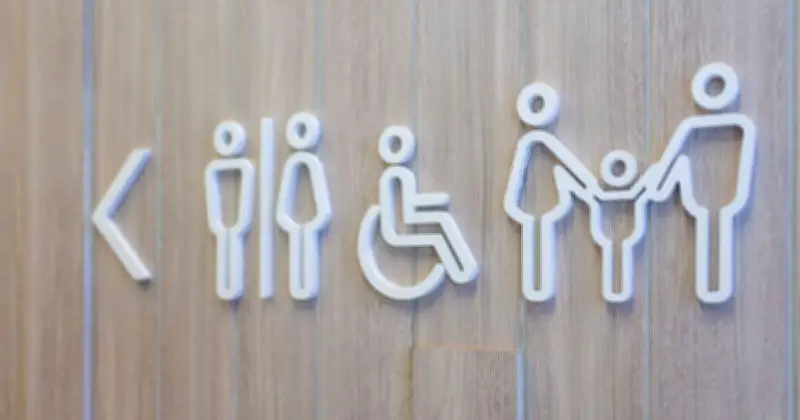
Nearly 13,000 toilets across the UK will need to be revamped when new guidance on single-sex spaces comes into force, according to figures obtained by the Press Association. The changes, which will affect gyms, hospitals, and leisure centres, also include more than 5,000 changing rooms, meaning at least 18,000 signs will need to be replaced.
Costs and Scope of the Changes
Public-sector bodies, including local councils, could face costs totalling £20.6 million for upgrading facilities and £14.2 million per year for building work, the Press Association reported. However, these figures could rise even higher as the full impact is assessed.
The code of practice, covering England, Scotland, and Wales, was published in May, noting that a service must be provided on the basis of biological sex to be classed as single-sex under the Equality Act, in accordance with the Supreme Court's April 2025 ruling. This means single-sex toilets, changing rooms, and hospital wards must be used based on an individual's biological sex rather than their gender identity.
Impact on Businesses and Public Services
Restaurants, leisure centres, hairdressers, public functions such as council services, and associations like local sports clubs with at least 25 members will all be impacted by the updated guidance. The code was updated for the first time in more than a decade and published by the UK Government eight months after it was received from the Equality and Human Rights Commission (EHRC). The Government claims it was “taking the time to get this right”.
It could still be weeks until the code formally comes into effect. However, once it does, organisations will have to ensure their amenities meet obligations under the 2010 Equality Act.
Criticism from Advocacy Groups
The changes have faced criticism from trans advocacy groups, which claim the guidance leaves transgender people in the UK with “less rights”. A motion in the House of Commons calling for its scrapping has been signed by more than 160 MPs.




