
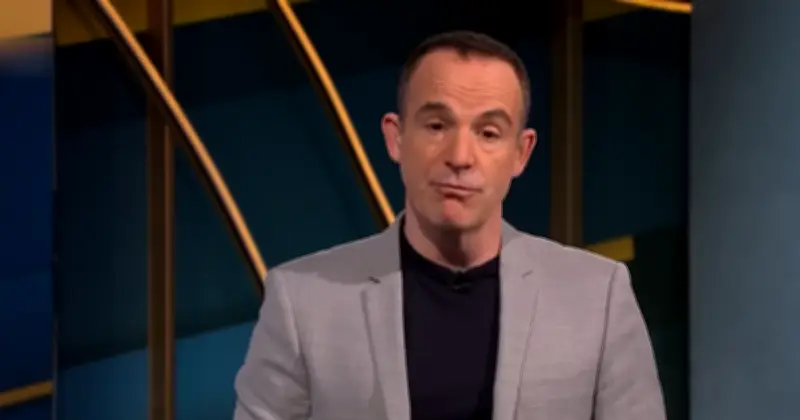
Personal finance expert Martin Lewis has highlighted a common pitfall that prevents couples from claiming the Marriage Allowance, which can raise a married couple's combined tax-free personal allowance to £13,830. On his BBC Radio 5 podcast, Lewis explained that earning just £1 above the higher-rate tax threshold disqualifies a person from the benefit.
Marriage Allowance Explained
The Marriage Allowance allows a non-taxpaying spouse to transfer 10% of their unused personal allowance to their partner who pays the basic 20% income tax rate. This effectively increases the basic-rate taxpayer's tax-free allowance by approximately £1,250, saving them up to £252 per year. Couples can also backdate claims for the previous four tax years, potentially receiving a lump sum of over £1,000.
To qualify, one partner must have an income below the personal allowance of £12,570, while the other must earn between £12,571 and £50,270 (£43,662 in Scotland). Crucially, if the higher-earning partner is a higher-rate taxpayer (earning above £50,270), they are ineligible.
Listener's Dilemma
A listener named Darren wrote in to the podcast, asking if he could claim the allowance. He explained that he is a higher-rate taxpayer, his wife is a full-time carer for their severely disabled son and receives Carer's Allowance and Disability Living Allowance, and they do not claim Child Benefit. He was concerned about having to file a tax return if they claimed the allowance.
Lewis responded: “You cannot claim married tax allowance. The marriage tax allowance is for non taxpayers, which is your wife, married to a basic rate taxpayer which isn’t you. You’re a high rate taxpayer. If you go over the high-rate tax threshold even by a pound, you can no longer do the marriage tax allowance. Which is why it would be worth increasing your pension by £1 in that situation so that you would no longer be a high rate taxpayer and then you would still be able to claim the marriage tax allowance.”
Fiscal Drag and Frozen Thresholds
The personal allowance has been frozen at £12,570 since 2021, and Chancellor Rachel Reeves extended this freeze until 2031 in her last budget. This policy has been criticised for causing 'fiscal drag,' where inflation pushes workers into higher tax brackets without actual income growth, increasing their tax burden.
HMRC Encourages Claims
HM Revenue and Customs (HMRC) urges eligible couples to apply for Marriage Allowance. A spokesperson said: “Marriage Allowance keeps money in your pocket by reducing the amount of tax you and your spouse pay by up to £252 a year. You can check your eligibility and apply on GOV.UK. Search ‘Marriage Allowance’ to find out more.”
Approximately 2.1 million eligible couples have not claimed the allowance, missing out on potential savings. For those who have not claimed in previous years, backdated payments for the current and four prior tax years could total £1,260.
Potential Savings by Tax Year
- 2026/27: £252
- 2025/26: £252
- 2024/25: £252
- 2023/24: £252
- 2022/23: £252
Lewis advised that couples where one partner is a non-taxpayer and the other is a basic-rate taxpayer should check their eligibility. He added that even those who cannot claim directly might benefit from adjusting their pension contributions to reduce their taxable income below the higher-rate threshold.




