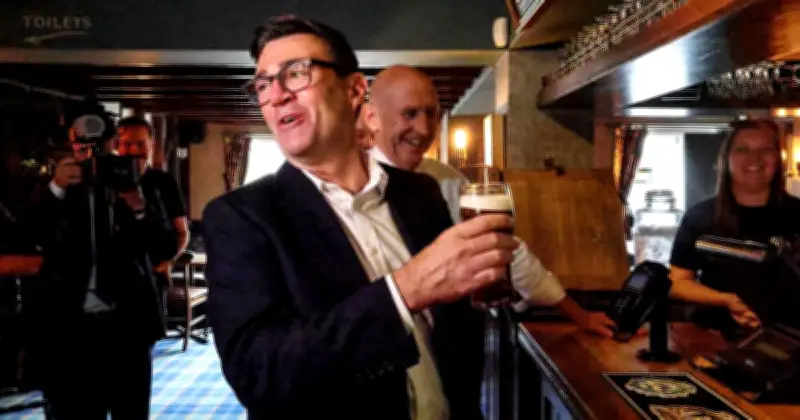
Labour has been accused of delivering “a sucker punch” to the Great British pub after it emerged that urgently-needed reforms to business rates will not come into force until 2029. Industry leaders warned that hospitality firms employing 3.6 million people need immediate help and called on Chancellor John Healey to deliver a support package in a Budget statement on October 28.
Delayed reforms and rising bills
The Treasury has pledged that business rates for pubs and hotels will be made “fairer” after bills for many businesses shot up in April. Average business rate payments for the hospitality sector are set to be £4,500 higher in 2027-28, rising to £7,000 higher in 2028-29.
The Government has launched a review, led by business rates expert Jerry Schurder, to consider how pubs and hotels are valued and to bring forward recommendations by the end of March 2027. However, changes are not expected to come into effect until the next round of revaluations in 2029.

Conservative criticism
Conservative Shadow Chancellor Sir Mel Stride said: “Labour have once again been found out for gaslighting businesses and workers across Britain.” Writing in the Express, he added: “The Government’s plan to review business rates for the hospitality sector won’t change anything until 2029. That will be a sucker punch for a sector already on its knees thanks to Labour. It is just too little, too late.
“Labour are hiking business rates by £9 billion. Burnham and Healey’s support package for pubs was bigger in headlines than substance - just £100m a year, a drop in the ocean compared to the rise. And only 4 per cent of retail, hospitality and leisure businesses will benefit.” The Conservatives would abolish business rates for tens of thousands of retail, hospitality and leisure businesses, he said.
Industry response
Trade body UKHospitality welcomed the Government’s review but said urgent action was also needed at the Budget. Chief Executive Allen Simpson said: “I’m pleased the Government is looking seriously at the valuation methodology for pubs and hotels. When you have rateable values doubling or tripling at a revaluation, that is the clearest sign yet that the system is broken and in need of proper reform.
“While this much-needed review is positive, it is medium-term reform that will not solve the immediate financial challenges caused by rising business rates bills.” He said the average hotel would see rates bills rise by 110% over the next three years, with restaurants seeing rises of 54%. “They will, justifiably, be expecting to see this addressed at the Budget in October.”
Pubs were facing a crisis even before the business rate increase came into effect, with 161 closing across Britain in the first three months of this year, an equivalent of almost two a day, according to the British Beer and Pub Association. This amounts to more than 2,400 job losses, with younger people particularly likely to be hit.
Jonny Haseldine, Head of Business Environment Policy at the British Chambers of Commerce, said: “While it is welcome for the pubs and hotels we represent, this review of valuations should be wider, and cover every sector. The full reform of business rates, promised by the government at the last election, is urgently needed. This continued piecemeal approach to reform is the wrong approach.”
Surveying expert Jerry Schurder, who is leading the review, said: “I look forward to hearing from businesses, representative bodies and valuation professionals as we assess how the current valuation methodologies for pubs and hotels operate in practice and whether they remain fit for purpose. Stakeholder evidence and engagement will be central to informing the review’s recommendations.”
James Murray, the Financial Secretary to the Treasury, said: “Pubs and hotels are vital for communities and bringing growth to every postcode. Last month we announced tax cuts for pubs to give them the breathing room they need. We’re going further with a rethink of valuations - so that we can build a fairer system for the future.”
The review was welcomed by Nick Mackenzie, chief executive of brewery and pub and restaurant chain Greene King. He said: “Pubs have found themselves paying increasingly disproportionate business rates bills in recent years and so we welcome this independent review.”

Liberal Democrat Treasury spokesperson Daisy Cooper said: “This can’t be an excuse for not taking bolder and more urgent action to save our high streets now. Fundamental reform of business rates is long overdue, but every day high street businesses are deciding whether they can keep the doors open.” She urged Labour to take up her party’s plans for an emergency VAT cut to next April, followed by overhauling business rates, removing so-called ghost landlords and reversing changes to employer National Insurance Contributions.