Hospitality businesses have given a cautious welcome to the Chancellor's changes to the business rates relief threshold but say the Budget stops short of the wider tax reform the sector has been demanding.
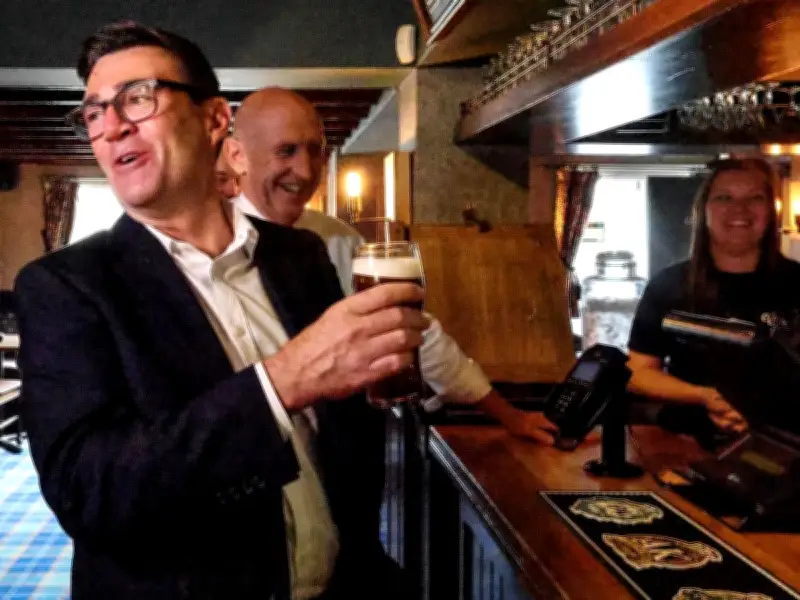
In July, Prime Minister Andy Burnham promised that rates for nearly 32,000 hospitality businesses would be cut by 20 percent from next April, describing it as a "first step" and pledging to go further on business rates reform at the next Budget.
Rates relief threshold raised
Today, Chancellor John Healey delivered his first Budget, raising the business rates relief threshold to £18,000 from £12,000. He said the changes would support smaller retail, hospitality, and leisure businesses, with around half of all properties in those sectors in England expected to pay no business rates.
The threshold for 100 percent relief will increase from £12,000 to £18,000 in rateable value, while tapered relief will rise from £15,000 to £21,000. Other RHL properties not covered by rate cuts or full relief will see their business rates frozen in real terms for the next two years. A 25 percent electricity bill discount is also planned for around 10,000 businesses from April 2027, though it is not yet clear whether hospitality will be included.
Sector disappointed by lack of VAT cut
However, a hospitality VAT reduction was not included in the Budget, despite being the main policy change the sector had called for through the #VATsTheProblem campaign led by UKHospitality and chef Tom Kerridge. Months of lobbying for a cut in the rate from 20 to 10 percent were not acted upon, nor was the call to review national insurance contributions (NICs) increases imposed by previous chancellors.
Kevin Connor, owner of the Pen and Pencil and BAB in the Northern Quarter, said: "It's just very disappointing that it wasn't addressed, I was hoping there would be something as there's been a lot of media coverage and lobbying. Hospitality needs help. I appreciate they've reviewed the business rates, but there's a lot of businesses it won't affect. They just haven't addressed any issues, the big ones are VAT, rates and national insurance contributions. It's not really helped or hindered."
Connor added that at BAB, which closes on Sundays and Mondays, he had to cut the workforce from 65 to 30 people, not by getting rid of staff but by not replacing them when they left.
Business owners say measures 'don't move the dial'
Chris Tulloch, owner of Blind Tiger Inns, which he founded in 2023 and spans more than 20 pubs across the North West, said the changes won't impact his business. "I have 25 pubs and it won't affect any of them. There will be businesses that do benefit, but selfishly they could have made the threshold a bit higher. When it comes to business rates reform, no one wants to grasp the nettle."
On VAT, Tulloch said: "I was hopeful but not expectant around VAT. It's the only thing that will move the dial. Burnham says he likes a pint, but we're getting to the point where we don't want to charge £6-7 for a pint, but we also can't charge £4 because we would go out of business and then not be able to employ anyone."
He also noted that while he is happy to see wages going up, in the context of Healey increasing both the National Minimum Wage and the National Living Wage by 3.9 percent "for 2.3 million of our lowest paid workers", it does cost businesses more, meaning they can't invest as much and will eventually have fewer jobs to offer, further fuelling the NEETs crisis.
William Robinson, Managing Director Pubs Division at Robinsons Brewery, calculated that the business rates changes will affect 31 pubs out of Robinsons' 240 estate, roughly 13 percent of their portfolio. Of those, 24 will no longer pay rates and seven will benefit from some taper relief. He said: "When he said the cavalry are coming, without wanting to sound ungrateful, it doesn't feel like it has come. There's also the increase in alcohol duty, and a missed opportunity around the draught duty relief - there seems to be other things they could have easily done. If there was one lever to pull it would be VAT without question."
Nick Gregory, founder of Manchester food hall Society, said the changes to the business rates relief threshold were a positive start but that it "didn't go far enough". He said: "Given that we employ a lot of young people and everyone is coming up against the headwinds. They could have gone further and reduced the VAT level to 10 percent and addressed the previous increase of Employer National Insurance Contributions (NICs). It's a VAT reduction and NICs change that would really help not only us but smaller businesses as well, and put a spring back in the step of the whole industry."
CAMRA says beer tax rise 'wrong decision'
Campaign for Real Ale (CAMRA) Chairman Ash Corbett-Collins said: "We're glad that the Chancellor has targeted new measures at small pubs, independent brewers and cider makers, even if the wider picture on beer tax, VAT and energy costs will disappoint many drinkers, pub and beer businesses. Drinkers will be disappointed to see a beer tax rise that will be passed on to pints in pubs in today's Budget. The Chancellor could and should have cut tax specifically on beer and cider served in pubs, and hiked duty on cheap supermarket alcohol to help level the playing field. At a time when many pubgoers, pubs and brewers are struggling to make ends meet, increasing taxes on pints in pubs is the wrong decision."
On the £10 million Alcohol Duty Relief scheme for smaller brewers and cider makers, he added: "The £10 million Alcohol Duty Relief scheme for smaller brewers and cider makers is great news for supporting the local and independent producers that pubgoers value so much." On the lack of action on VAT, energy bills and employment taxes, he said: "Beer and pub businesses were crying out for a cut in VAT on food and alcohol, as well as action on sky high energy bills and increased Employer National Insurance Contributions. The lack of action on all of these issues will only contribute to more otherwise viable pubs having to call last orders for good."