
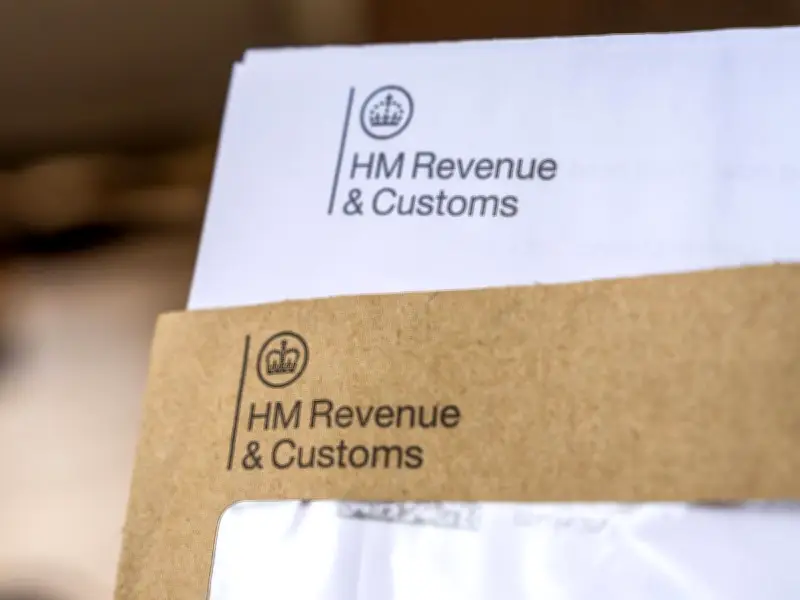
The UK government is consulting on plans to require businesses to pay their PAYE and VAT liabilities by Direct Debit, with penalties for non-compliance even if payments are made in full and on time through other channels. The consultation, open until August 16, 2026, aims to reduce late payments, limit debt accumulation, and simplify processes. However, critics argue the move unfairly penalizes businesses that pay correctly but use alternative methods such as bank transfers or credit cards.
Consultation Details and Potential Penalties
Under the proposed rules, businesses that fail to use Direct Debit—unless exempted—could face fines even if they settle their tax bills in full and on time. The government says it is aware that some businesses may face cash flow challenges or other difficulties with Direct Debit and stresses that feedback from the consultation will inform final decisions, including potential safeguards and exceptions.
Harvey Dhillon, founder and CEO of small business accountants Zmartly, acknowledged the benefits of Direct Debit in reducing errors from wrong references or misallocated payments. He noted that late-payment penalties often stem from administrative mistakes rather than inability to pay. However, he criticized the prospect of fines for using other payment methods: 'When did paying your tax in full and on time become something HMRC could fine you for? That is the oddity in this consultation.' He added that a penalty for using bank transfer is 'a fine for using the wrong envelope' and urged businesses to set up Direct Debit while responding to the consultation.
Business Community Concerns
Tony Redondo, founder of Cosmos Currency Exchange in Newquay, expressed concern that mandatory Direct Debit could disrupt cash flow management. He argued that businesses deliberately use Faster Payments and CHAPS for control over timing. 'A mandatory Direct Debit hands HMRC a preferred creditor's schedule, not yours,' he said. He also criticized the potential penalty for paying on time via the 'wrong' channel, calling it a punishment for not using HMRC's preferred technology and comparing it to treating SMEs 'like errant children.'
Rob Burgess, founder of Head for Points in London, highlighted additional drawbacks for businesses that earn rewards points or interest-free credit by paying taxes via credit cards. He encouraged such businesses to submit consultation responses explaining why Direct Debit is unsuitable for them.
Next Steps
The government is seeking input from businesses, accountants, and other stakeholders to shape the final policy. Responses to the consultation will help determine the scope of changes, necessary safeguards, and which taxpayers may be excepted from the Direct Debit requirement.




