Gardening season is here, and so is the bad advice. Social media 'experts' and well-meaning friends often share tips that sound brilliant but can ruin your garden and waste money. Here are common myths debunked.
Vinegar as a 'Safe and Natural' Weedkiller
Household vinegar is a contact herbicide that burns leaves but not roots, so weeds regrow. Horticultural vinegar is stronger but can damage soil, harm nearby plants, and requires protective gear. Instead, manually pull weeds and cover soil with 3-4 inches of organic mulch. For cracks in pavers, sprinkle baking soda on a dry, windless day. Use a crevice tool or propane flame for removal, then fill cracks with sand or sealant.
Wound Paint on Pruned Tree Limbs
Trees compartmentalize wounds naturally, so sealants are unnecessary. They can trap moisture and pathogens, causing decay. Only apply light sealants to elm or oak pruned during the growing season to prevent Dutch elm disease or oak wilt. Prune at dormant times and let wounds heal naturally.

Tilling Garden Beds Every Year
Over-tilling destroys beneficial microbes, earthworms, and fungi, damages soil structure, increases erosion, and brings weed seeds to the surface. Instead, spread 2-3 inches of compost over beds and let it work in. For new beds, cover with newspaper or cardboard in fall, top with mulch, and allow it to smother grass. If needed, use a broadfork to gently break compaction.
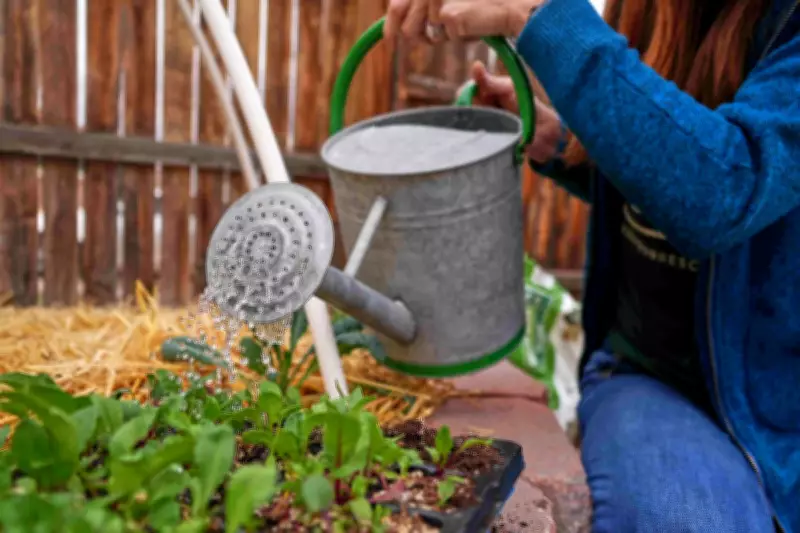
Light Daily Watering
Daily sprinkling only moistens the surface, not root depth, causing shallow roots. Water deeply and less frequently to encourage deeper root growth, helping plants withstand drought.
Landscape Fabric Under Garden Beds
Barrier fabrics fail long-term, create root tangles, restrict water and oxygen, and introduce microplastics. Use 2-4 inches of organic mulch like shredded bark or straw, refreshed as it breaks down. Exception: fabric can help under gravel paths or walkways.