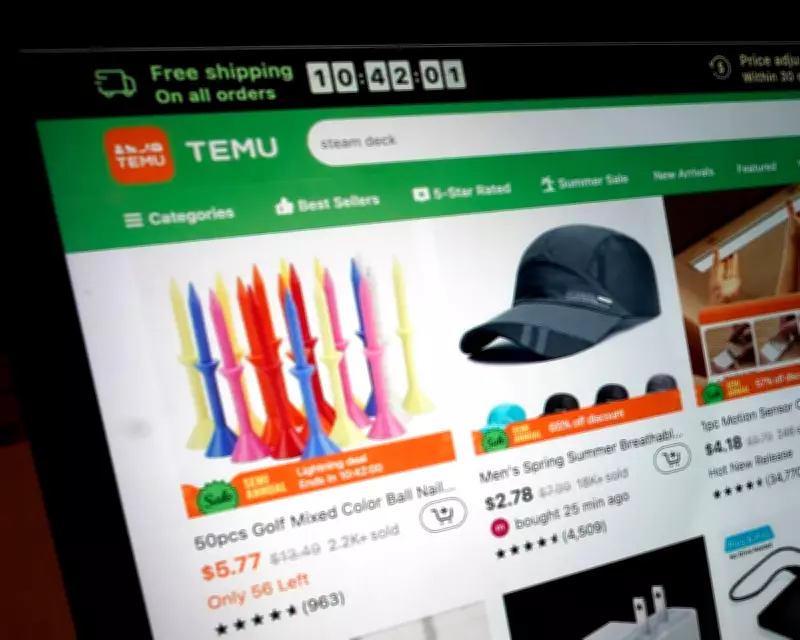
The European Commission has fined the Chinese shopping website Temu €200 million (£173 million) for failing to stop the sale of illegal and dangerous products. The penalty follows a 19-month investigation that revealed consumers are highly likely to encounter unsafe items, including baby toys and electronics, on the platform.
Investigation Findings
An unpublished mystery shopping exercise conducted for the commission found a 'high percentage' of unsafe baby products and a 'very high percentage' of dangerous chargers for sale on Temu. Additionally, unsafe clothes and jewellery were identified. Consumer groups across Europe have previously reported baby toys with loose parts posing choking hazards, dummy chains long enough to strangle a child, jewellery laced with dangerous metals like lead, clothes made with banned chemicals, and chargers that risk burns, electric shocks, or fire.
Website Design Criticised
The commission also criticised Temu over inadequate controls on its website design. Recommender systems and promotions by influencers 'could amplify dissemination risks of illegal products,' it said.

Second-Highest DSA Fine
The €200 million fine is the second and highest ever imposed under the EU's Digital Services Act (DSA), which has applied to the world's biggest tech companies since February 2024. It follows a €120 million penalty issued to Elon Musk's X last December for 'deceptive' verification badges and lack of advertising transparency.
A senior EU official stated that the commission found a particularly serious breach of the act related to an inadequate risk assessment on unsafe products that Temu carried out in 2024. The fine represents only a fraction of Temu's fast-growing revenues. Its parent company, PDD Holdings, reported global revenues of $54 billion (£40 billion) in 2024, though this includes income from another Chinese e-commerce site, Pinduoduo. Under the DSA, a company can be fined up to 6% of global turnover.
The senior official said the fine was proportionate and that other parts of the investigation into Temu, which could also lead to financial penalties, are continuing. The commission is also examining the sale of illegal products, addictive design, and whether independent researchers had access to Temu's data.
Temu's Response
Temu, which has 130 million consumers in the EU, almost a third of the population, has the right to appeal. The company said it is 'reviewing the decision carefully and considering all available options.' A spokesperson stated: 'Temu respects the objectives of the Digital Services Act and the need for clear, consistent rules across the digital economy. However, we disagree with the European Commission's decision and consider the fine to be disproportionate. The decision relates to our first DSA assessment in 2024 and does not reflect the current state of our systems. Temu engaged constructively with the commission throughout the process and has since taken further steps to strengthen risk assessment, platform governance, and user protection.'
Next Steps
Temu has until 28 August to submit an action plan to the commission outlining how it intends to remedy the situation. The DSA is designed to protect people from a wide range of online harms, from disinformation and age-inappropriate content to dodgy products. European Commission Vice-President Henna Virkkunen said: 'Temu's risk assessment underestimates concrete risks, lacks specificity, is not grounded in solid evidence, and is not comprehensive. It leaves regulators, users, and the public in the dark about the true scale of potential harm posed by illegal products sold on Temu. Now it is time for Temu to comply with the law.'