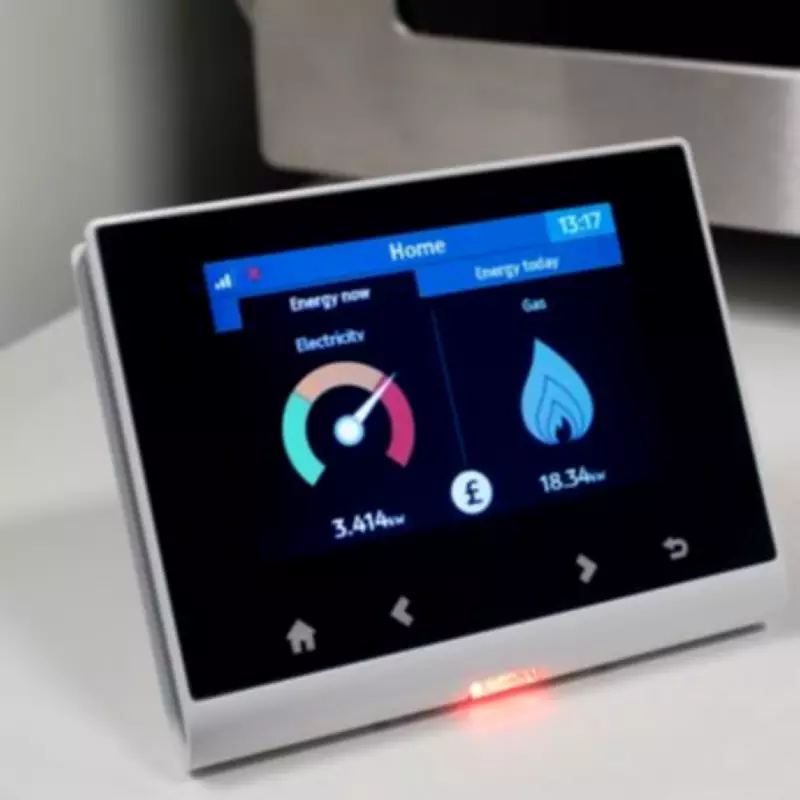
Households attempting to avoid rising energy costs are being cautioned that they could face imprisonment, substantial fines, and even death. Energy regulator Ofgem has issued a stark warning over the escalating issue of "energy theft," where individuals interfere with gas or electricity meters to reduce their bills.
Ofgem emphasised that this illegal activity is not only a criminal offence but also a significant safety threat that can result in fires, explosions, and serious injury. In a public alert, the watchdog stated: "Tampering with your meter is illegal and could be dangerous."
Financial Impact on Households
Energy theft is estimated to cost households across Great Britain more than £1.4 billion annually—a burden ultimately shouldered by bill payers. Officials say some fraudsters are even offering to "fix" meters to lower bills, but households are being urged not to be deceived.

Fatal Dangers Within the Home
Experts warn that meddling with meters can have catastrophic outcomes. Gas meter interference can trigger leaks, fires, and explosions, while modified electricity meters can overheat, spark, or cause electrocution. Warning indicators include unusual wiring, damaged casings, meters operating without credit, or even the smell of gas. In extreme circumstances, sparks, smoke, or burning odours near a meter could signal immediate danger.
The dangers are not limited to homes. Suspected tampering has also been identified in public venues such as pubs, cafés, and community halls.
Hidden Frauds and Criminal Consequences
Households are being urged to remain vigilant against anyone proposing to reduce their energy bills through meter tampering, which regulators describe as a clear warning sign of unlawful conduct. Those apprehended face serious repercussions, including prosecution, unlimited fines, and imprisonment for up to five years.
Consumers who suspect energy theft can report it anonymously through the Stay Energy Safe service or by telephone. The clampdown arrives as financial strain on households persists, but authorities stress that taking such shortcuts is a perilous risk that could result in tragedy or even time in prison.