
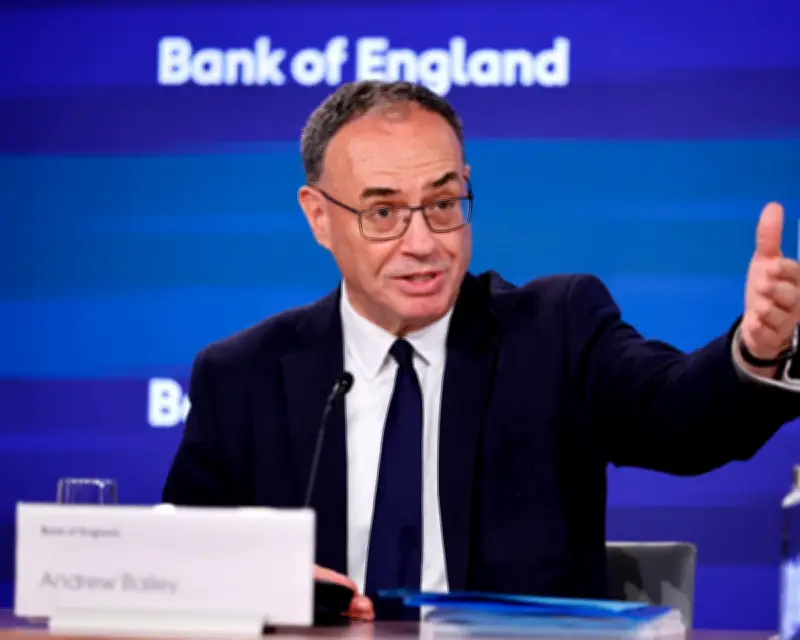
The Bank of England has kept UK interest rates on hold at 3.75%, warning that a further escalation in the Iran war could drive inflation above 4% next year, adding to cost of living pressures on households.
Against a volatile backdrop in the Middle East conflict, the Bank’s monetary policy committee (MPC) voted by six to three to keep its key base rate unchanged. As Donald Trump’s renewed attacks on Iran drive up global energy prices, the Bank said an “adverse scenario” involving a drawn-out war and oil prices remaining above $100 a barrel could drive UK inflation to a peak of 4.5% by mid-2027.
Bailey downplays rate hike talk
On a day of fresh US strikes in the widening conflict, Bank Governor Andrew Bailey played down suggestions that Threadneedle Street was edging closer to raising rates. “Please do not leave this room thinking that the Bank of England is edging towards a [interest rate] hike, because frankly, there’s nothing in what I said, and I think any of us have said, along those lines,” Bailey said.
Official figures showed UK inflation fell by more than expected in June to 2.6%, down from a peak of 3.8% last year. It had been on track to fall close to 2% before the outbreak of the Iran war. The Bank said a loose labour market and higher borrowing costs for households and businesses would reduce inflation over time. It added that conditions before the conflict were more “benign” than before previous global shocks, including the Covid pandemic and Russia’s 2022 invasion of Ukraine.
Government policies provide slight relief
The decision to keep rates unchanged is expected to provide a boost for Prime Minister Andy Burnham’s push to lower the cost of living, after he announced a sweeping package of support for households. Under his plans, electricity bills in Great Britain will be cut by an average of £45 a year from October by removing VAT. The Bank said it expected the policy, alongside a £2 cap on bus fares in England, to lower the headline inflation rate by 0.1 percentage point.
However, the MPC said it stood “ready to act as necessary” to prevent inflationary pressures from becoming entrenched. Highlighting the risk of stubbornly high inflation, external economist Catherine Mann joined committee members Megan Greene and Huw Pill in dissenting with a vote to raise rates immediately to 4%.
Oil prices and global context
Financial markets had priced in a more than 90% probability of unchanged borrowing costs, with investors expecting a rise to 4% before year-end. The news comes after the Federal Reserve held borrowing costs unchanged on Wednesday, and its new chair Kevin Warsh unnerved some investors, leading to a rise in US government borrowing costs to the highest level since 2007.
Brent crude, the international benchmark for oil, briefly rose above $100 a barrel last week before falling back, and was trading above $90 on Thursday. The Bank of England said under its central forecast—involving oil falling to about $71 a barrel—it expected UK inflation to peak at about 3.2% later this year. Under a milder scenario for the war, inflation would peak at about 3% before falling rapidly, leading the central bank to cut borrowing costs. However, economists said the situation remained highly dependent on how the conflict unfolds.
Paul Dales, chief UK economist at Capital Economics, said: “Much depends on what happens to energy prices and whether or not that leads to the second-round inflation effects that could transform a temporary rise in inflation into a longer-lasting one.” While awaiting developments in the war, he said “the BoE doesn’t seem to be moving closer to actually raising rates.”




