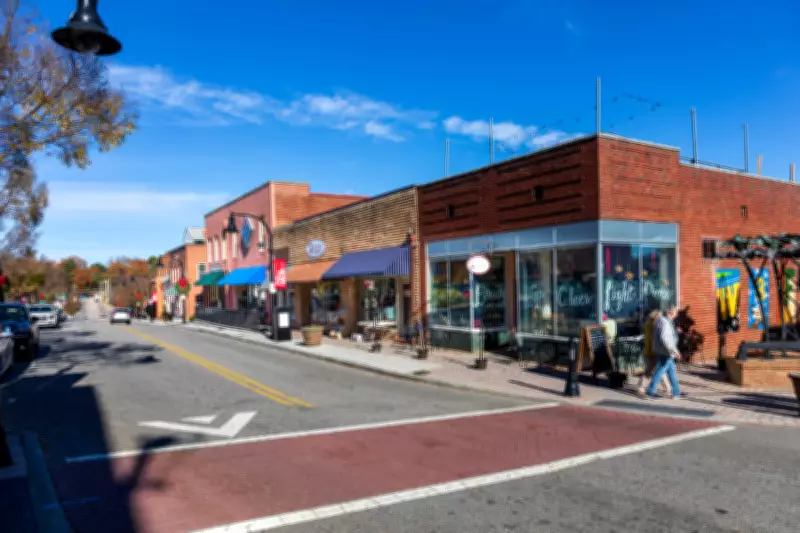
America's Most 'In-Demand' Suburb Revealed in New Study
A fast-growing North Carolina town has surged to the top of the rankings, according to newly updated data from MoveBuddha, an online resource for moving and storage. Wake Forest, North Carolina, with approximately 56,000 residents, has been identified as the most in-demand suburb in the United States, based on an analysis of millions of searches conducted between February 2025 and January 2026.
Key Findings from the MoveBuddha Report
The study measures what is termed an 'in-to-out' move ratio, which compares the number of inbound move inquiries to outbound searches. Wake Forest stood out with a striking ratio of 4.65-to-1, meaning nearly five searches were made by people looking to move in for every one from those considering leaving. This ratio far surpasses other suburbs, highlighting its strong appeal as a relocation destination.
Analysts note that high in-to-out move ratios can serve as an early indicator of where people plan to relocate, even before official U.S. Census migration data is released. The data reflects a broader trend of Americans increasingly seeking friendly, livable suburban communities, with one in four movers expressing a desire for such environments in 2026.

Top Suburbs Across the United States
In addition to Wake Forest, other suburbs have also gained prominence in the rankings. Murrells Inlet, South Carolina, and Boerne, Texas, are notable for their high demand, ranking second and third respectively. The research also identified the top in-demand suburb in each of the 43 qualifying states, showcasing robust suburban growth across regions like the Midwest and Upper Midwest.
Examples include Perrysburg, Ohio; Wauwatosa, Wisconsin; and Edina, Minnesota. However, seven states—Alaska, Hawaii, Montana, North Dakota, South Dakota, Wyoming, and New Hampshire—had no qualifying suburbs due to insufficient search data.
Factors Driving Demand in Wake Forest
Wake Forest's appeal is attributed to several key factors. Its median home price, just over $500,000 as of December 2025, combined with a strong community atmosphere, proximity to job markets in the Raleigh area, and perceived high quality of life, has made it particularly attractive to potential movers. The town, located just north of Raleigh, has repeatedly gained national attention for its growth and desirability, including recognition in 2024 as one of the top 'booming' suburbs for job growth.
Top 10 In-Demand U.S. Suburbs
According to MoveBuddha, the top 10 in-demand suburbs in the United States are as follows, based on in-to-out move ratios and December 2025 home prices:
- Wake Forest, North Carolina – In-to-out move ratio: 4.65. Home price: $508,022
- Murrells Inlet, South Carolina – In-to-out move ratio: 3.80. Home price: $387,908
- Boerne, Texas – In-to-out move ratio: 3.00. Home price: $548,478
- Mount Dora, Florida – In-to-out move ratio: 2.75. Home price: $384,552
- Maryville, Tennessee – In-to-out move ratio: 2.41. Home price: $379,081
- Wauwatosa, Wisconsin – In-to-out move ratio: 2.32. Home price: $396,436
- Broken Arrow, Oklahoma – In-to-out move ratio: 2.16. Home price: $281,538
- Broomfield, Colorado – In-to-out move ratio: 2.02. Home price: $615,026
- Casa Grande, Arizona – In-to-out move ratio: 1.93. Home price: $315,131
- Edina, Minnesota – In-to-out move ratio: 1.90. Home price: $587,749
Implications and Future Trends
MoveBuddha emphasized that while not every search translates into an actual move, search behavior provides an early signal of where interest is building. The company stated, 'We won't know for sure where today's movers really go until the 2026 Census data estimates are released in 2027, but their interest can tell us a lot about their dreams and plans for the coming year before they even move.' This insight underscores the value of such data in understanding demographic shifts and housing market trends.

The study's findings highlight a continued preference for suburban living among Americans, driven by factors such as affordability, community, and access to amenities. As more people seek out these environments, suburbs like Wake Forest are likely to remain focal points in the national conversation on relocation and urban development.