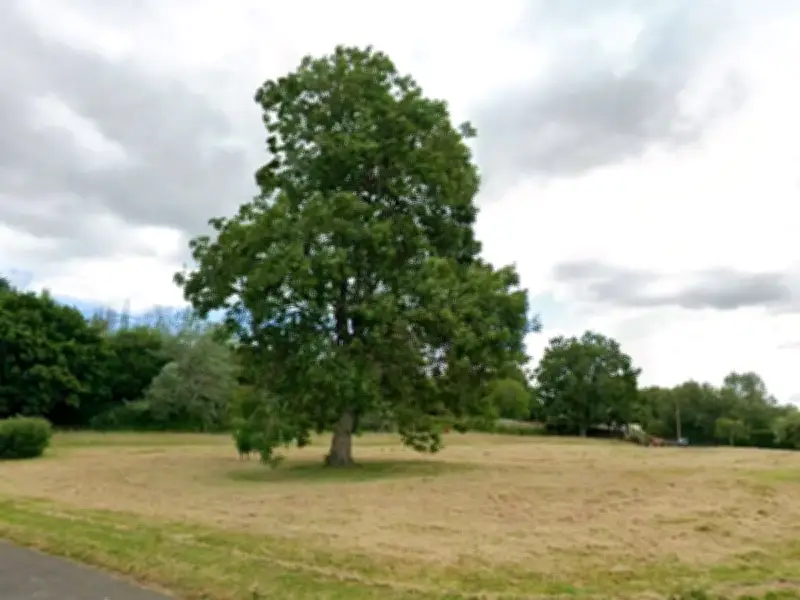
Senior councillors are pushing ahead with plans to build eight accessible bungalows on a "peaceful" and "well-used" green space in the village of Trethomas, despite opposition from locals.
Caerphilly County Borough Council received 149 objections to its plan to dispose of the land north of James Street so its property arm, Caerphilly Homes, can start building. Critics argue the development would lead to a loss of public open space, damage local biodiversity and pose a flood risk.
Housing need cited as key factor
Cabinet members decided against those objections after hearing the new homes would provide much-needed accessible housing for people on local waiting lists, many of whom have medical conditions.
Cllr Shayne Cook, the cabinet member for housing, urged colleagues to conclude the potential benefits "outweigh" the public objections. Housing director Nick Taylor-Williams said there was a "significant demand for accessible bungalow accommodation", including 92 households waiting for one-bedroom homes in Trethomas and 102 in neighbouring Bedwas.
For two-bedroom bungalows, more than 300 people were on the local register, including some in the highest-priority group who had been "waiting for several years", he added. Mr Taylor-Williams said Caerphilly Homes' borough-wide waiting list currently included 6,620 "active applicants".
Objectors recall childhood memories
The objections included fond family and childhood recollections from people who grew up there, with critics arguing the loss of much of the site to housing would remove a safe playing area for children.
One young resident described the land as a haven where "our parents know it is safe from busy roads". "Please do not dispose of this land – it is one of the only places in Trethomas [where] children can play freely with friends," they wrote.
Objectors also said wildflowers growing on the land help support local beekeepers, and there was a "strong desire" for a community orchard to be established there. "This open space is a peaceful area in the village," wrote another objector. "People use it for quiet reflection, gentle walking, bird watching and simply enjoying time away from traffic and built surroundings."
"Peaceful and vibrant green pockets like this are increasingly rare and once lost, they cannot be recreated. The wellbeing value of this space far outweighs the limited development proposed."
Support from some residents
However, Cllr Chris Morgan read out a letter to his cabinet colleagues from a Trethomas resident whose children would "greatly benefit" from living in one of the accessible bungalows. He said the cabinet should be "aware that views on the proposal are universally opposed, and there are residents in the village with compelling circumstances who might directly benefit from the development proceeding".
A cabinet report noted a predecessor council had bought the land for housing but not all the land was developed, so the local authority had treated it as open space. Responding to concerns about the loss of that space, the council said the quality of the unused land left over after building would "mitigate against this loss".
Mr Taylor-Williams said new planting and landscaping – including an orchard element – would be established on the remaining land. The council added it had considered the project's environmental impacts during the planning process, and the development could go ahead "without resulting in long-term impacts on protected species, and will deliver ecological enhancements".
On flood risk concerns, the council said the construction plans were subject to a drainage assessment which would have to be approved before any development could begin. The local authority also said proposed alternative sites for the accessible bungalows would have led to more disruption for neighbours.
"Members will appreciate from the number and the nature of the objections received that the land is valued locally, and it is currently used as open space for members of the public," said Mr Taylor-Williams. "However, that value must be balanced against the significant and growing need for affordable and accessible housing in the area."