

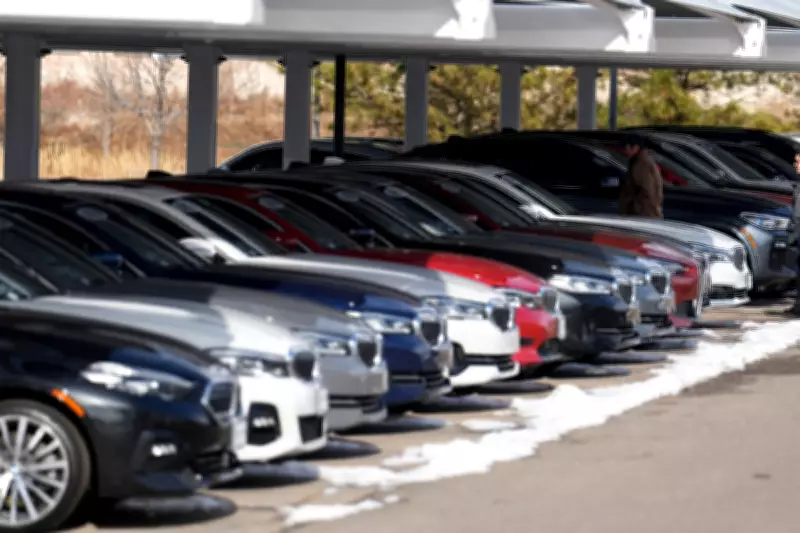
For many new-car shoppers, the process begins with a straightforward assessment of affordability, often leading them towards vehicles from mainstream brands. Yet, the allure of owning a luxury vehicle remains a common aspiration. A compelling alternative exists: for roughly the same price as a new mainstream car, you could opt for a used luxury model instead. This choice presents a fascinating dilemma for buyers seeking both value and prestige.
The Price Parity Proposition
Consider a budget of around $35,000. This sum could secure a brand-new 2026 Honda CR-V, a sensible and reliable choice from a mainstream manufacturer. Alternatively, it might afford a three-year-old BMW X3, a model renowned for its prestige and desirability. The immediate question arises: is purchasing a used luxury vehicle a wise financial and practical decision? Automotive experts at Edmunds have analysed the key factors to help consumers navigate this complex choice.
Condition and Warranty Considerations
Buying new guarantees a pristine vehicle, complete with the experience of first ownership and that distinctive new-car aroma. It also provides the security of a full manufacturer's warranty, typically covering the first three years with a comprehensive bumper-to-bumper plan, plus an additional two years for the powertrain. In contrast, a used luxury car will have lost its new-car aura, likely showing minor cosmetic wear and accumulating tens of thousands of miles on the odometer.

However, luxury brands often offer robust four-year bumper-to-bumper warranties, and many dealerships sell certified pre-owned vehicles that include thorough inspections and extended warranty coverage. Despite this, buying new ensures you receive the freshest vehicle possible, with no prior ownership history.
Winner: new carStyle and Performance Appeal
Luxury cars are designed to be aspirational, featuring superior interior materials, more elegant designs, and sportier handling compared to non-luxury models. Distinctive wheels and enhanced aesthetics make them stand out on the road, while more powerful engines deliver exhilarating performance. For instance, a 2023 BMW X3, with up to 382 horsepower, offers a far more engaging driving experience than a CR-V.
This performance often comes at a cost: reduced fuel efficiency. The 2023 X3 achieves an EPA-estimated 25 mpg combined, whereas the CR-V, with its available hybrid powertrain, can reach up to 40 mpg combined. Additionally, many luxury engines require premium fuel, further increasing ownership expenses. Yet, for those prioritising style and performance, a used luxury vehicle rarely disappoints.
Winner: used luxuryFeatures and Technological Advancements
Newer cars boast the latest technology, including large touchscreens and advanced driver-assistance systems that simplify driving. However, such features typically debut earlier on luxury models before filtering down to mainstream lineups. Both a used BMW X3 and a new Honda CR-V, for example, offer wireless connectivity for Apple CarPlay and Android Auto, wireless phone charging, and adaptive cruise control.
Opting for a used luxury car can provide access to premium amenities. On a used X3, buyers might find front seats with additional power adjustments, ventilated front seats, a premium 16-speaker audio system, and a head-up windshield display—features unavailable on the CR-V. By selecting a relatively recent used luxury model, consumers can enjoy advanced tech and comfort without sacrificing modern conveniences.
Winner: used luxuryDepreciation and Maintenance Costs
Purchasing a new car offers convenience, with most models requiring minimal maintenance for the initial years—often limited to oil changes and tire rotations. Any necessary repairs are typically covered under warranty at no extra cost. In contrast, used luxury cars frequently demand costly maintenance for components like brakes and fluids, with parts and labour rates being significantly higher. Edmunds estimates that maintaining a BMW X3 costs approximately twice as much as a Honda CR-V on average.

Buying used does help avoid the steepest depreciation period. A new vehicle often retains only 60% to 80% of its original value after three years, whereas depreciation rates generally slow after this initial phase. Nevertheless, a used luxury car is likely to incur higher annual ownership and operational expenses.
Winner: new carExpert Verdict from Edmunds
Edmunds concludes that buying a new vehicle is the sensible choice, allowing owners to enjoy the full manufacturer's warranty and the assurance of being the first driver. However, car purchasing is driven as much by emotion as by logic. If the thrill of fine leather and a powerful engine is a dream, opting for a used luxury vehicle remains a perfectly viable and rewarding alternative.
This analysis underscores the importance of balancing practical considerations with personal desires when making a significant automotive investment.





