
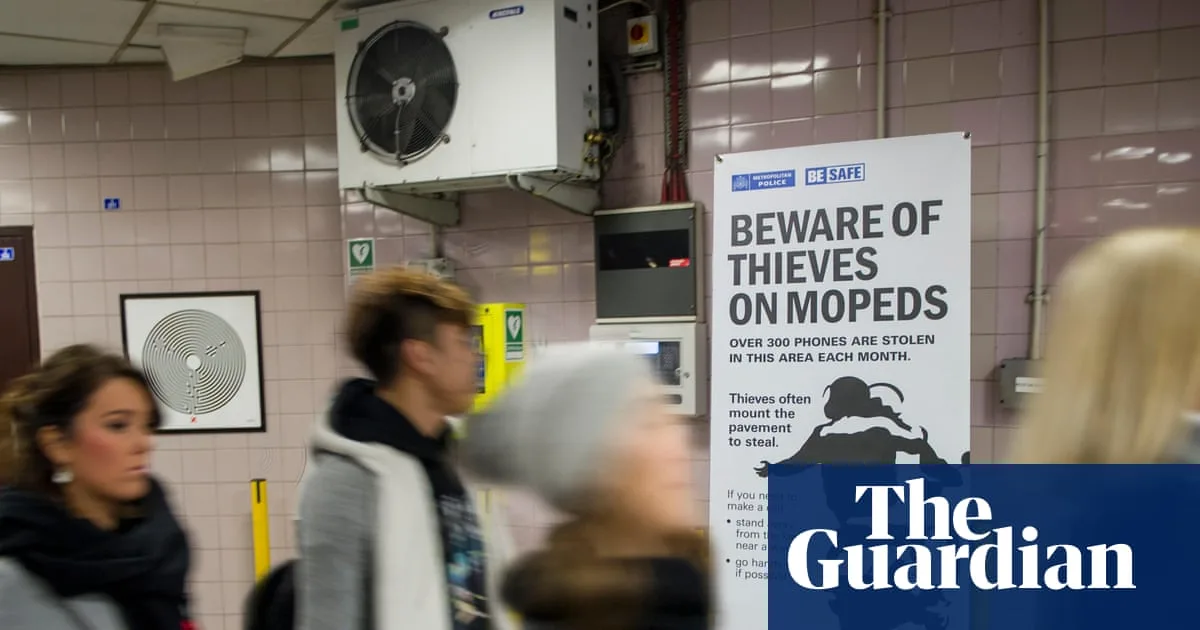
London's reputation as a safe city is under scrutiny, with some of its wealthiest residents and political figures like Donald Trump claiming crime is 'through the roof'. However, official statistics paint a more nuanced picture: while recorded crime in the Metropolitan Police area has risen 31% over the past decade, violent crime fell 6% in the year to March, and luxury watch theft has dropped significantly.
High-profile incidents fuel the perception of lawlessness. Ex-Formula One driver Jenson Button had a suitcase worth £250,000 snatched at King's Cross, and socialite Shafira Huang's Primrose Hill mansion was burgled for over £10m in jewellery. A Knightsbridge luxury goods store was ransacked, with owners lamenting 'London has just turned into something crazy'.
Yet data shows homicides in London are at a five-year low, with the rate lower than in New York, Paris, or Berlin. Knife crime, which peaked at 15,600 incidents in 2019, dropped 19% in the three months to June compared to the previous year. Londoners are also less likely to be victims of violent crime (26.4 per 1,000 people) than those in the rest of England and Wales (31.9 per 1,000).
The disconnect between perception and reality is stark: a YouGov survey found 51% of adults believe violent crime in London is rising, while only 7% think it's falling. Experts attribute this to the 'broken windows' theory, where visible minor offences create a sense of disorder, and to the amplification of high-profile crimes on social media.
Advisers to the super-rich report growing demand for private security, with 'spotters' outside exclusive restaurants targeting potential victims. However, the overall trend suggests that while certain offences remain a concern, the narrative of a crime wave may be exaggerated, particularly for the wealthy who are most affected by high-value thefts.




