
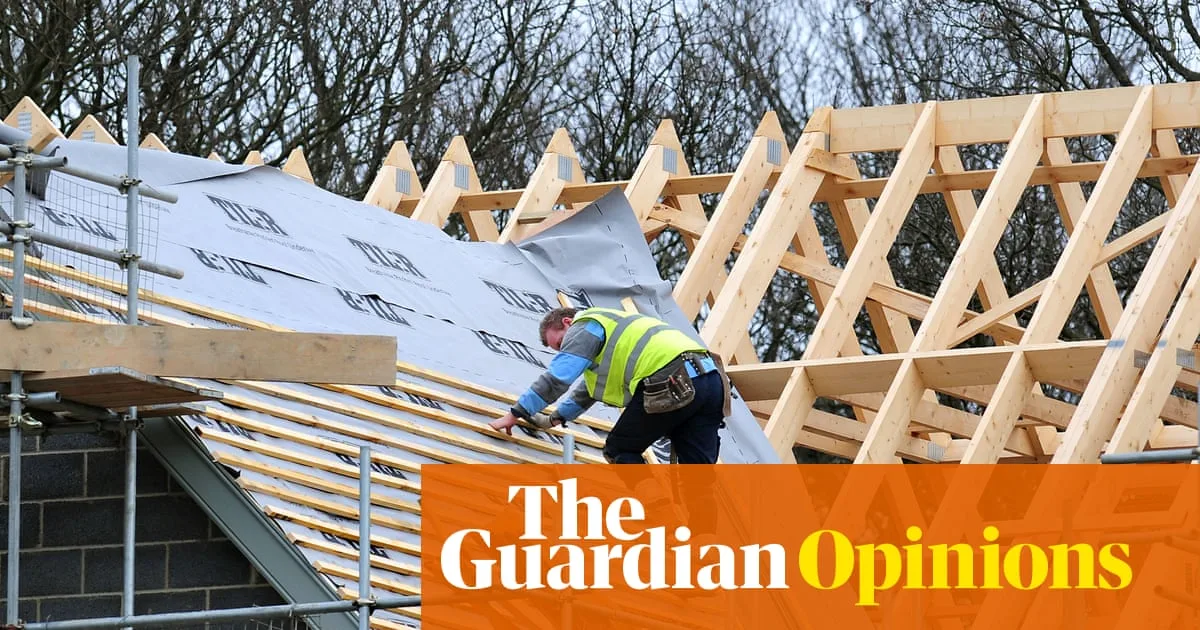
Donald Trump’s geopolitical shocks are derailing Britain’s post-pandemic economic recovery, particularly in the property sector, where the value of new projects has dropped by more than a third in the three months to February, according to data from Glenigan. The slowdown, driven by the US president’s attack on Iran and tariff disputes, has halted major developments worth over £100 million, threatening Chancellor Rachel Reeves’ growth plans.
Glenigan’s economics director, Allan Wilen, said market volatility is causing erratic daily price fluctuations dictated by international affairs, deepening the decline in construction activity and risking any recovery in the second half of the year. Office building, civil engineering, and residential housing are all affected, with consumers reluctant to buy homes due to affordability concerns and heightened risk aversion.
The instability stems from Trump’s actions in the Middle East and his attempts to bypass US court rulings on tariffs, creating a prolonged period of stasis for the UK property industry. This has led to a double dilemma for local councils: lost tax revenue from stalled projects and pressure from developers to drop requirements for affordable housing and public amenities in exchange for bringing forward schemes.
As the UK economy’s reliance on property remains deep—underpinning financial services, consumer spending, and wealth—the failure to revive building activity is a major blow to Reeves’ ambitions. The standoff between councils and developers intensifies, with the private sector using the disruption to push for more favourable terms, leaving affordable housing targets at risk.




