

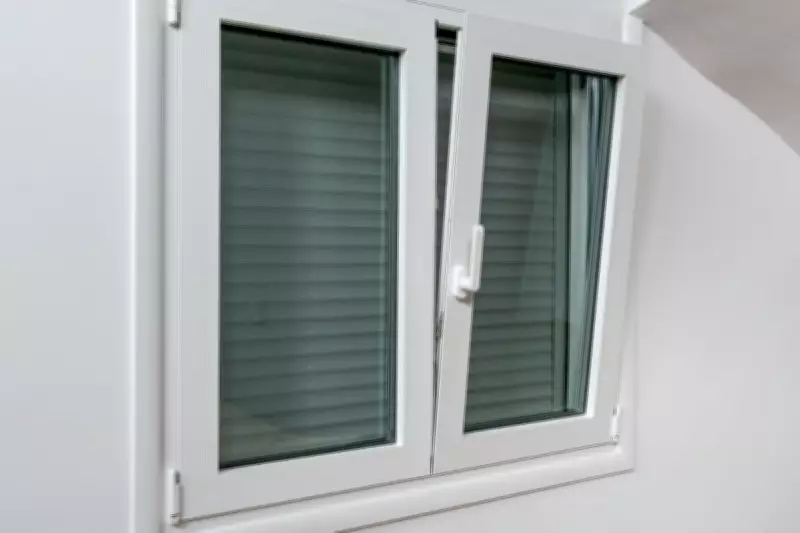
Tilt and Turn Windows: A Comprehensive UK Guide
Tilt and turn windows represent one of the most practical and versatile modern window styles available to homeowners today. Originally popular across mainland Europe, these innovative windows are increasingly becoming a common feature in UK homes, offering a dual-opening mechanism that provides both flexibility and functionality.
Understanding Tilt and Turn Windows
Tilt and turn windows operate through two distinct opening methods: they can swing completely inwards like a traditional door for maximum ventilation and access, or they can tilt inwards at the top to allow controlled airflow without fully opening the window. This dual functionality makes them particularly valuable for flats, upper-storey rooms, and contemporary homes where cleaning accessibility, ventilation control, and security are paramount considerations.
Because the sash opens inward, homeowners can easily clean the exterior glass from inside their property, eliminating the need for ladders or professional cleaning services for upper floors. The result is a window system that combines sleek, modern aesthetics with practical everyday benefits.

Primary Purpose and Benefits
The fundamental purpose of tilt and turn windows is to provide homeowners with enhanced control over room ventilation and access. Unlike standard window designs, these windows offer two operational modes: the tilt function permits secure, controlled airflow by allowing the top of the sash to lean inward slightly, while the turn function enables the entire window to open inward for maximum ventilation and easy cleaning access.
This versatility proves especially useful in practical living spaces where functionality matters as much as appearance. The tilt setting facilitates improved airflow without creating large openings, making it ideal for bedrooms and bathrooms. Meanwhile, the full inward opening significantly simplifies exterior pane cleaning, offering substantial advantages for upper-floor installations and apartment living. Essentially, tilt and turn windows integrate ventilation convenience, safety features, and contemporary design into a single comprehensive system.
Available Materials and Their Characteristics
Tilt and turn windows are manufactured using the same core frame materials as other modern window styles, with each material offering distinct advantages in terms of cost, appearance, maintenance requirements, and performance.
uPVC typically represents the most affordable option and remains widely popular in UK homes. This material requires minimal maintenance, resists rot and corrosion effectively, and generally provides good thermal efficiency at a lower price point than alternatives. While modern uPVC frames have improved aesthetically, they may not suit period properties or high-end renovations as effectively as premium materials.
Aluminium frames are frequently selected for their clean, contemporary appearance. Their superior strength allows for slimmer frame profiles without compromising structural integrity, maximizing glass area and natural light penetration. Highly durable with extended lifespans, aluminium suits modern extensions and architect-designed projects, though it typically commands higher initial costs than uPVC.
Timber frames represent the premium option, offering warm, traditional aesthetics particularly suitable for older properties, cottages, and conservation projects where preserving architectural character is essential. While providing superior craftsmanship and natural appeal, timber requires more regular maintenance to protect against weathering and generally represents the most expensive material choice.
Some homeowners encounter composite frames that combine interior timber with exterior aluminium cladding, offering wood's aesthetic appeal indoors with enhanced weather resistance outside, though these typically occupy the higher price bracket.

Cost Considerations and Energy Efficiency
Based on comprehensive market research, fitting a typical three-bedroom home with eight tilt and turn windows involves approximate costs of £5,900 for uPVC, £12,000 for aluminium, and £18,000 for timber frames. While these prices exceed standard casement window costs, many homeowners consider the additional flexibility and functionality worth the investment.
Regarding energy efficiency, tilt and turn windows perform comparably to quality casement windows. When closed, their frames press firmly against seals, minimizing draughts and heat loss. Most models accommodate double or triple glazing, making them suitable for energy-conscious households seeking to reduce heating costs and environmental impact.
Advantages and Disadvantages
Tilt and turn windows offer several significant benefits:
- Versatility – Dual opening modes provide maximum ventilation or gentle airflow as needed
- Safety – Tilt setting enables secure ventilation ideal for homes with pets or children
- Convenience – Inward opening simplifies exterior glass cleaning from indoors
- Space efficiency – No outward swing makes them suitable for balconies and tight spaces
However, these windows present certain limitations:
- Higher cost – Complex mechanisms and specialized installation increase prices
- Space intrusion – Inward swing can interfere with curtains, blinds, and furniture
- Aesthetic considerations – Modern design may not suit traditional period properties
- Specialized use – Best suited to contemporary homes rather than all property types
Comparison with Casement Windows
Neither tilt and turn nor casement windows are inherently superior; the optimal choice depends on specific homeowner requirements and property characteristics. Tilt and turn windows generally excel in flexibility, cleaning convenience, and contemporary styling, making them ideal for flats, upper-floor rooms, and modern homes where ventilation control and maintenance ease are priorities.
Casement windows remain the more familiar UK option, typically costing less and suiting broader property styles, particularly traditional and period homes. Their outward opening mechanism avoids interior space interference, though they lack the dual functionality of tilt and turn designs.
Obtaining and Evaluating Quotes
When seeking tilt and turn window quotes, several factors influence pricing: window quantity, shape, location, material selection, and geographical area (London typically commands higher costs due to increased trade wages). Homeowners should meticulously review quotes to ensure inclusion of all specified elements – finishes, colours, locks, handles, scaffolding requirements, and installation timelines.
Comparing guarantee coverage between providers and avoiding expensive in-house financing options can yield better value. For optimal pricing, homeowners should consider negotiation, recognizing that numerous window fitters operate nationwide, creating competitive market conditions where substantial savings are possible through respectful haggling.





