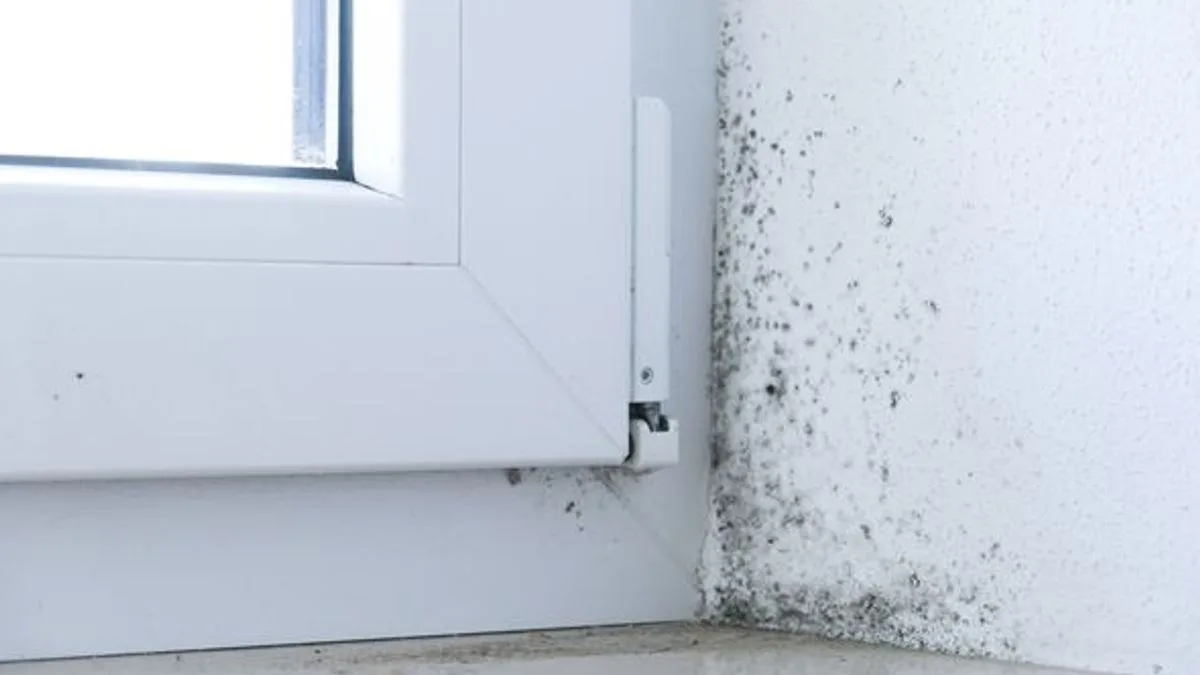
Expert's One Rule to Stop Window Condensation and Black Mould This Winter
Stop Condensation and Mould with One Expert Rule

As winter tightens its grip, a familiar and unwelcome guest appears in homes across the UK: condensation on windows. This persistent moisture can quickly escalate into black mould, dampness, and damage to curtains and wallpaper, leaving many searching for a reliable solution.

The Fundamental Rule for a Mould-Free Home

Allan Reid, Founder of Art Windows and Doors, emphasises that regardless of your window type, one principle is paramount. "Whether you have single, double or triple-glazed windows, proper ventilation is always the best way to reduce condensation," he advises. This core rule is the first line of defence against the moisture that fuels mould growth.

He notes that even homes with modern double glazing are not immune. "While double glazing is effective in preventing some condensation, the colder conditions can, unfortunately, bring mould regardless," Reid explains. The key is to identify the specific cause in your property and apply the most suitable remedy from a range of options.

Practical and Cost-Effective Solutions

For those with double or triple glazing, condensation between the glass layers signals a failed seal. "Replacing the air-tight seal between your layers of glass is essential to prevent water vapour," says Reid. This fix is often surprisingly affordable, typically costing between £5 to £10 per window. Ignoring it can lead to draughts and reduce the window's lifespan.

Another immediate action is to monitor paint and varnish around windows. Flaking, bulging, or chipping paint can be a hidden sign of trapped moisture. "By ignoring the flaking paint and continuing to replace it, you avoid treating the problem, allowing it to worsen," the specialist warns.

Investing in Long-Term Prevention

For rooms with high moisture, like kitchens and bathrooms, Reid suggests installing an extractor fan directly into the window pane. This provides a significant reduction in water vapour from cooking and showering.

He also highlights the importance of trickle vents, small fittings in window frames that aid air circulation. "Highly effective at aiding the circulation of air in your home, they lead to a reduction in mould, condensation and dampness," he said. Since 2022, these units have been mandatory in new window installations.

For those considering a bigger upgrade, triple glazing can be up to 40% more thermally efficient than standard uPVC double glazing. The extra layer helps reduce condensation, draughts, and cold spots, potentially lowering energy bills over time.

The High-Tech Option: Positive Input Ventilation (PIV)

Reid points to Positive Input Ventilation (PIV) units as a powerful whole-house solution. These systems improve air quality, eliminate humidity and condensation, and can reduce allergens. A major advantage is their low running cost. "They are incredibly cheap to run, costing from £1 to £2 a month after installation," Reid concluded, noting their popularity for effectively eradicating both mould and condensation.

By starting with the fundamental rule of ventilation and exploring these targeted solutions, homeowners can tackle winter condensation head-on, protecting their property and health from the risks of persistent damp and black mould.




