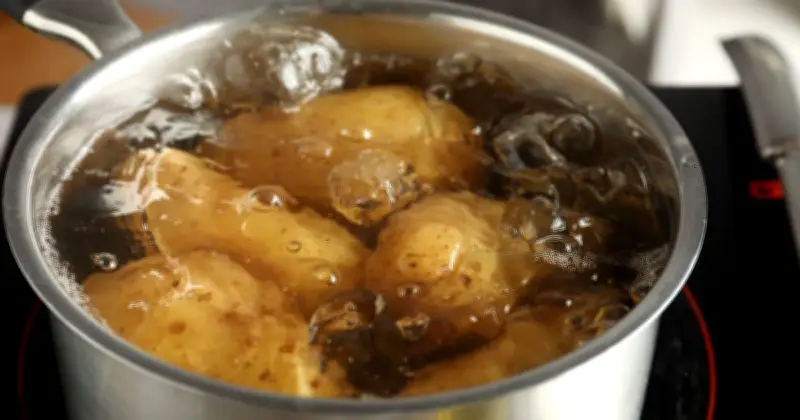
Boiling potatoes is a staple step in cooking many meals, whether they remain as they are or become mash, fries, and more. To achieve boiled potatoes that are 'creamy' and do not fall apart, several key steps should be followed.
The biggest mistake to avoid
The most significant error is rushing by filling the pan with boiling water from the kettle and starting from there. While this saves time, it does a disservice to the food by not allowing it to warm up properly.
According to Daniel Gritzer of Serious Eats, the ultimate step is to cover potatoes with cold water and begin cooking from cold. Because potato flesh is delicate and can fall apart easily once overcooked, even cooking is essential.

Why cold water works
Dropping potatoes directly into boiling water cooks the outside faster while potentially leaving the centre undercooked. Starting from cold allows them to heat slowly and reach the right temperature evenly, from outside to core.
This gives the pectin that holds their cell walls together enough time to strengthen, maintaining a creamy texture instead of turning into mush.
Stirring and simmering tips
Stirring the pot every now and again is crucial, allowing every potato a fair chance. Those closest to the bottom cook faster than those at the top if stirring does not occur, so a quick stir enables even cooking.
Do not rush by boiling at the highest heat. Allow potatoes to cook at a very gentle simmer, slowing the cooking time so they cook through evenly.
Gritzer also advises adding far more salt than you think to the water. The skin acts as a barrier that can slow salt absorption, so adding more salt—he says he is 'pretty aggressive' with it—improves the chance of absorption. Once drained, adding plenty of butter and extra salt gives potatoes a lovely glow and added moisture so they do not taste dry.