
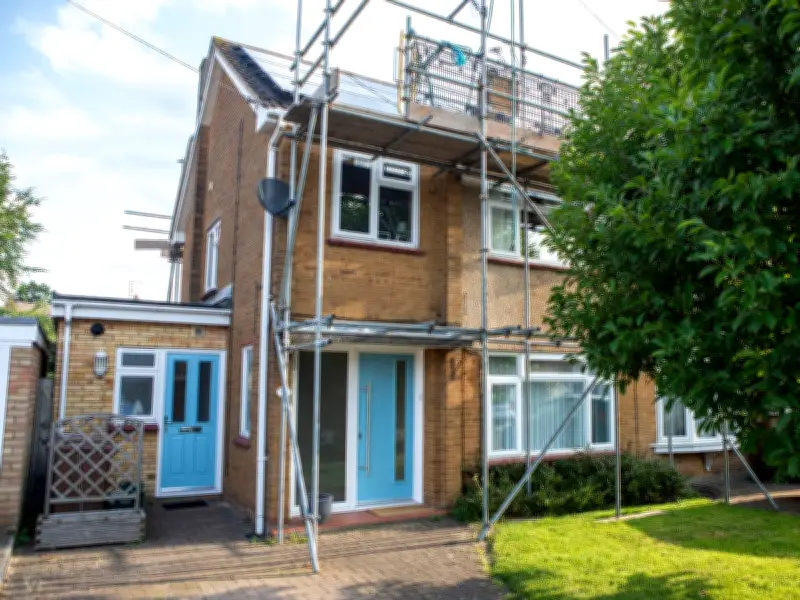
Home renovations that involve scaffolding can quickly lead to frustration and disputes between neighbours, particularly when the structure overhangs another property or requires access to a garden or driveway.
According to property experts, a lack of communication is often the root of the problem. Understanding your rights and talking to neighbours before work begins can help prevent issues further down the line.
Why scaffolding disputes happen
Disagreements frequently arise over scaffolding overhanging a neighbour's land, access to a neighbour's garden or driveway to erect the structure, damage to fences, plants or property, how long the scaffolding remains in place and whether permission was obtained.
One of the biggest misconceptions is that a neighbour can put scaffolding wherever they need it. In reality, access arrangements depend on the circumstances of the work, property boundaries and whether any legal rights or permissions apply.
John Khan, home maintenance expert at commercial scaffolding company One 9 Scaffolding, said: "A lot of people don’t realise that scaffolding can sometimes involve more than one property. If access is needed, it’s always best for neighbours to have a conversation before work starts rather than waiting until the scaffolding is already being installed."
"Most people understand when they know what’s happening, how long the work will take and what impact it could have on them. A quick conversation beforehand can prevent a lot of frustration later on," he added.
"Scaffolding is there to make building work safer and easier, but it can feel intrusive if it affects your home or your daily routine. Making sure everyone knows the plan from the start helps the whole process run much more smoothly."
What to do if a neighbour’s renovation involves scaffolding
The team at One 9 Scaffolding recommends these steps to help avoid unnecessary disagreements:
- Talk things through before work begins – A quick conversation can help both sides understand what is happening, how long the work is expected to take and what impact it could have.
- Find out where scaffolding will be placed – Make sure you know whether it will affect your garden, driveway, windows or access points before installation starts.
- Ask about the expected timeline – Knowing how long scaffolding will be in place can help manage expectations and avoid frustration if work takes longer than expected.
- Think about privacy and security – Scaffolding can sometimes provide easier access to parts of a property, so homeowners should make sure windows are secure and personal belongings are protected.
- Raise concerns early – If something doesn’t seem right once scaffolding is installed, speaking up quickly is usually the best way to resolve issues before they escalate.




