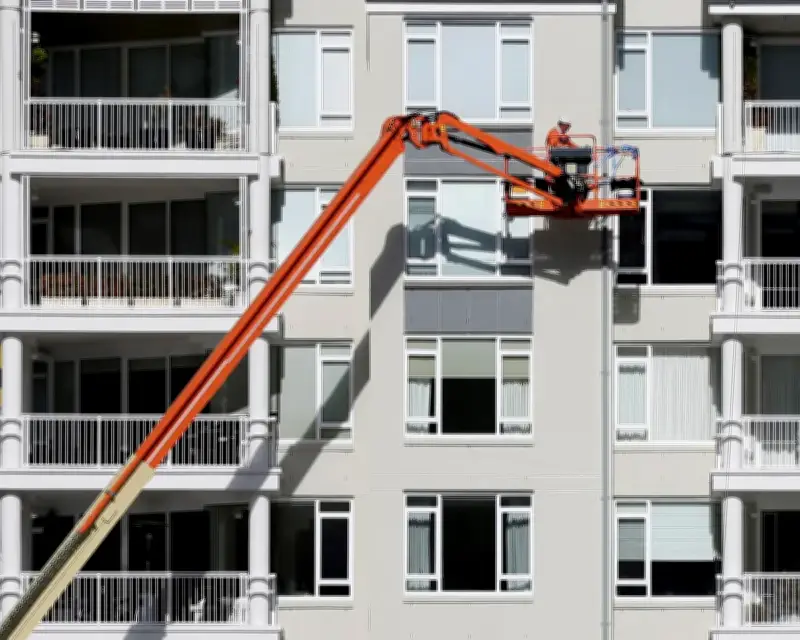
A NSW government proposal could see the construction of 9,400 new apartments in 142 towers, some up to 30 stories high, in Woollahra, Sydney’s east, according to a report. The plan, which would allow six- and eight-storey apartment buildings around a new railway station, has been expanded as other mega housing projects collapsed, potentially increasing the suburb’s population by more than a third.
Heritage buildings at risk
The proposal could lead to private developers acquiring and demolishing up to 151 heritage buildings and countless trees in one of Australia’s original garden suburbs. This would occur despite the longstanding NSW Department of Planning mandate for the “retention and integration of local heritage items into the surrounding areas”. The government will contribute rezoning and a railway station, but no new schools or parks.
Julianne Schultz, author of The Idea of Australia, wrote in a commentary that her modest art deco building in Woollahra was designated to become a nine-storey tower. She described the suburb as embodying what town planners used to aspire to, with “mixed neighbourhoods” and good public transport, mixed in terms of architecture and people.
Affordability concerns
Schultz noted her 1930s building has district views, with apartments selling for around $1m, making them relatively affordable in the inflated Sydney market. The street includes three-storey redbrick flats, seven federation houses, 10 terraces, two mansions, an old folk’s home and apartments, and a run-down 19th-century mansion behind trees.
The plan will transform the three-storey red brick buildings into nine-storey towers, demolish five federation houses and replace them with 12-storey towers, bookended by a couple of heritage properties. Schultz argued there will be nothing “affordable” about any of them, citing the old developers’ rule of thumb: one-third land costs, one-third construction and one-third profit, meaning an “affordable” apartment will cost $3m.
Broader housing system failures
The commentary highlighted that the housing system is already failing, with housing insecurity rife in one of the richest countries on the planet. The number of public and community houses in New South Wales alone fell by 4,530 over the past three years. The National Urban Policy’s platitudes, promising sustainable, inclusive growth, affordability and environmental protection, are a poor placeholder for what is needed now, especially as the economy is restructured by artificial intelligence.
Schultz noted that robust public housing commissions once built homes at scale, employing and training apprentices, with costs kept down by purchasing power, using publicly owned land and removing the need for profit. When the federal government in 1995 moved away from giving states money to build public housing and switched to rental support, construction plummeted. For most of the postwar years public housing accounted for about 20% of new dwellings, now it is less than 2%.
Need for serious urban policy
The commentary suggested proposals like Woollahra feel performative, with targets not being met, builders going broke as costs rise – 3,472 construction companies last year – and a shortage of skilled workers spinning the divisive immigration debate. In April the Planning Institute of Australia produced a paper, Growing Well, urging a more serious discussion about housing and types of cities needed to accommodate 14 million more people at a time when AI threatens to pummel the current city-based workforce.
It asked whether we want mega cities, accessible and congenial satellite cities that orbit the state capitals, or regional developments that follow a fast rail network and allow medium-sized cities to grow across the country, as happens in most other developed societies. Schultz concluded that this is the serious conversation needed, producing real, livable solutions, not just platitudes, profits and towers.