A west London property made famous by the 1999 romantic comedy Notting Hill has been put up for sale with an asking price of £7.9 million.
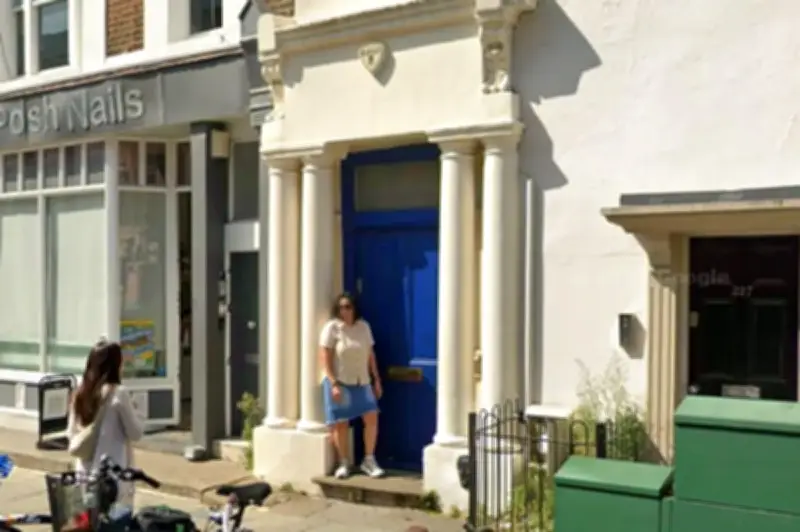
Located in the heart of Notting Hill, the home sits behind the iconic blue door featured in the film starring Hugh Grant and Julia Roberts. In the movie, the property was home to William Thacker, played by Grant, whose life is transformed after meeting Hollywood actress Anna Scott.
History and previous owners
The property was once owned by the film's screenwriter, Richard Curtis, before being sold shortly after the film's release. It was most recently purchased by businessman Neil Hutchinson for £4.5 million and is now being offered for £3.4 million more, The Sun reports.
The three-bedroom home, which extends to around 3,000 sq ft, is currently listed through off-market platform Invisible Homes.
Inside the famous residence
The listing describes the property as one of London's most recognisable residences and highlights a large open-plan kitchen, dining and reception room stretching almost 48ft in length. A first-floor gallery wraps around much of the main living space and incorporates a study lined with bookshelves. Elsewhere, a spiral staircase leads from a private courtyard garden to a secluded roof terrace enclosed by mature planting and brick walls.
The blue door has become one of the capital's most photographed landmarks since the release of Notting Hill, attracting visitors from around the world.
Tourist impact on the neighbourhood
Following the film's success, the original door was removed and sold at auction as attempts were made to reduce the number of tourists stopping outside the property. The replacement door was later repainted in the distinctive shade of blue associated with the film.
In recent years, residents have raised concerns about the popularity of the area with tourists and social media influencers. Some homeowners in nearby streets have spoken of disruption caused by visitors gathering for photographs, while several colourful properties have been repainted in more neutral colours in an effort to attract less attention.
More than two decades after Notting Hill became a global hit, the blue door remains one of the neighbourhood's most enduring attractions and one of London's most recognisable film locations.