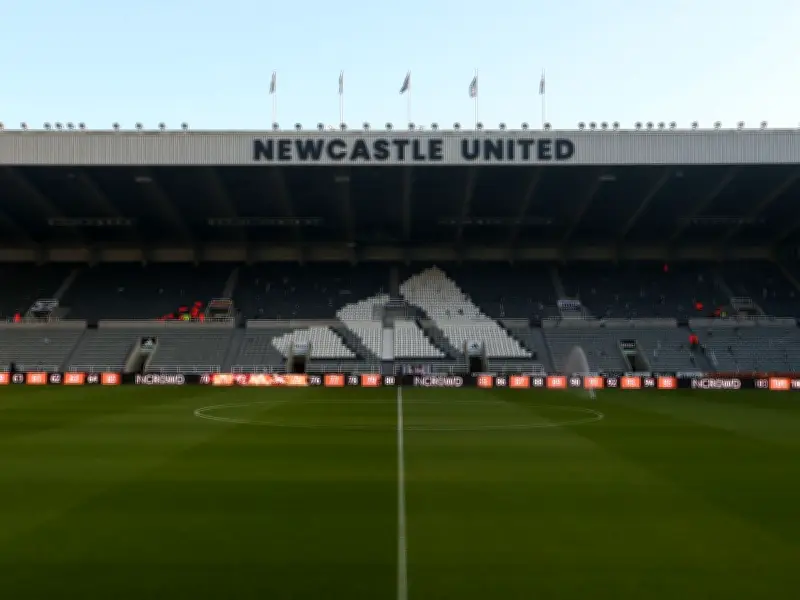
Newcastle United's sale of Sandro Tonali to Tottenham Hotspur for up to £100 million has highlighted the stark financial gap the club must bridge to compete with the Premier League's elite. The deal, while financially beneficial, frustrated fans as Tonali joined a side that finished fourth-bottom in each of the last two seasons. Since the Saudi Public Investment Fund takeover in late 2021, Newcastle have faced financial restrictions under FFP, PSR, and now the new Squad Cost Ratio (SCR) rules, limiting their ability to spend freely.
SCR Rules Reshape Financial Planning
SCR regulations, effective July 1, limit on-pitch spending to 85% of football-related revenue and net player sale profits for most clubs, and 70% for those in European competition. Unlike PSR's three-year rolling assessment, SCR sets annual spending caps. Newcastle entered a settlement with UEFA after breaching Financial Sustainability Regulations, likely capping their spending at 70%.
Football finance expert Kieran Maguire explained the impact of player sales under SCR: “If you sign a player in June 2026 on a five-year contract for £60 million, that's £1 million a month in amortisation. That shouldn't prevent Newcastle from recruiting. But under SCR, player sale profits are spread over three years. So a £30 million profit from a sale this July would only contribute £10 million to the 2026-27 calculations.”

Tonali's sale, recorded at £100 million after Newcastle bought him for £55 million three years ago on a five-year deal, yields an amortised book value of roughly £22 million, resulting in a £78 million profit. Under SCR, only £26 million counts toward this season's accounts, compared to Anthony Gordon's sale to Barcelona, which fell under PSR and allowed full profit recognition.
£200 Million Revenue Gap with Tottenham
Tonali's move underscores Tottenham's financial muscle despite poor on-pitch results. Maguire noted: “Spurs are very good at being an entertainment complex. Newcastle United is a football club. Tottenham made £83 per fan per seat compared to Newcastle's £49 in 2024-25. Spurs host 30 non-football events annually at full capacity, boosting commercial income to £277 million versus Newcastle's £123 million—a £154 million gap. Combined with £70 million more in matchday revenue, the total gap is £200 million.”
Broadcast income partially offsets this: Newcastle finished 12th, earning £15 million more than Spurs (17th) at £3 million per league place. However, Spurs’ lower wage-to-revenue ratio (45% vs. Newcastle's 73%) gives them greater financial flexibility to make blockbuster offers without breaching spending rules.
Stadium Decision Crucial for Future
The key to closing the gap lies in Newcastle's stadium strategy. Maguire emphasized: “Blame Beyonce, Coldplay, NFL, Anthony Joshua. That's why Spurs can spend over £200 million this summer despite narrowly avoiding relegation. Newcastle are £100 million behind Arsenal, £100 million behind Manchester United, £70 million behind Spurs, and £60 million behind Liverpool in ticket sales.”
Newcastle's chiefs are weighing whether to expand St James' Park or build a new multi-purpose stadium. Without increased matchday and commercial revenue, the club risks losing top talent and failing to consistently qualify for the Champions League. Maguire added: “St James' Park is loved by away fans, but those positives don't turn into cash.”
In the meantime, Newcastle must adopt a smarter transfer model, targeting high-potential players akin to Brentford, Brighton, and Bournemouth, but on a larger scale. Maguire concluded: “If you can't be bigger, you've got to be smarter. Fans of those clubs are conditioned to be patient, but Newcastle fans expect Premier League success. The takeover created expectations of matching the elite, but financial rules were designed to create a closed shop.”