
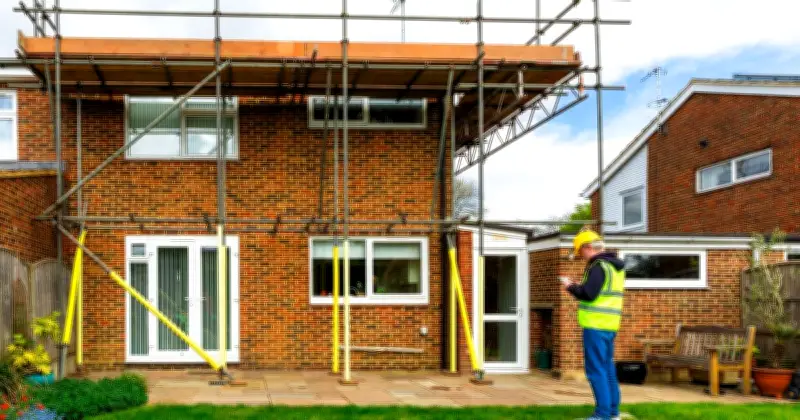
Many UK homeowners choose to extend their homes to create additional space without the expense of moving, either by building into the garden or up into the loft. While the need to extend houses is widely understood, it can become a problem when it happens next door. Concerns often focus on the size of an extension and how much it could affect your property. Since most people want to maintain a good relationship with their neighbour, navigating this issue can be difficult.
What is a right to light?
A right to light is protected in England and Wales by the Prescription Act 1832. According to Brady Solicitors: "A right to light may be acquired by 'anyone who has had uninterrupted use of something over someone else's land for 20 years without consent, openly and without threat, and without interruption for more than a year.'"
Home extensions or a new building erected close to a neighbouring property are common examples of a right to light dispute. If a neighbour's extension limits the light coming into your property and the level of light inside the room falls below the accepted level, this is classed as an obstruction.
How do you make a right to light claim?
It is recommended that you seek expert advice, such as from a solicitor or surveyor, to see if your right to light applies. Jonathan Lea explained: "Rights to light disputes often involve specialist surveyors who apply technical methodologies, such as the Waldram method, to assess whether the reduction in light falls below accepted thresholds for reasonable enjoyment of the property."
"Because of the technical nature of these assessments, early professional advice is often essential before development plans are finalised." It added: "The legal question is not simply whether a room feels darker; expert analysis is often required to determine whether the loss of light is substantial."
You have a right to oppose the building of an extension next door. However, they can respond to this and submit evidence to say the extension will not impact your right to light.
What is the outcome?
Possible outcomes might include a redesign of the development to protect your right to light. Brady Solicitors explained that if the extension is already being built or has been built, the court can either award compensation or order the offending part of the development to be cut back, or a combination of both.
It added: "In rare instances, the Court may issue an injunction to prevent the development works altogether. Where the damages awarded are found to be a sufficient remedy, the Court is unlikely to grant an injunction to prevent the works."




