
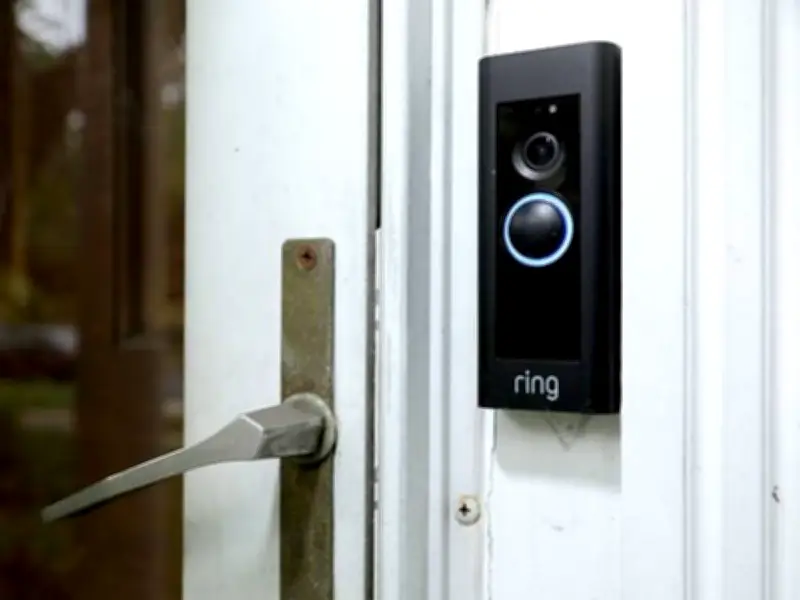
Spotting a neighbour's CCTV camera or video doorbell pointing towards your property can raise privacy concerns, but whether it is unlawful depends on more than where the camera is aimed. The legal position turns on what the device records and how the footage is used.
When does data protection law apply?
The Information Commissioner's Office (ICO) says homeowners are generally free to install CCTV or smart doorbells to protect their property. However, if the device captures images or audio beyond the boundary of the home - such as a neighbour's garden, driveway or a public footpath - data protection law is likely to apply.
Government guidance on domestic CCTV advises that cameras should be positioned to minimise intrusion into other people's privacy wherever possible. Homeowners are urged to think carefully about what their system records and whether less intrusive options, such as changing the camera angle or using privacy settings, could provide the same level of security.
According to the ICO, a camera is not automatically unlawful simply because part of your property appears in view. Many domestic systems cannot avoid capturing small areas outside the owner's boundary. But the person operating the camera must have a legitimate reason and comply with data protection obligations if recordings include neighbouring property or public spaces.
What are your rights if you are concerned?
If you are worried about a neighbour's camera, the first step is usually to speak to them. The ICO says many disputes can be resolved by explaining your concerns, with the owner possibly repositioning the device or activating privacy masking to block parts of the image.
People recorded by a domestic CCTV system may also have rights under UK data protection law. You can ask the camera owner whether you are being recorded, object to the processing of your personal data in some circumstances, and request a copy of footage containing your image through a subject access request.
Complaints, mediation and the key question
If informal discussions fail, complaints about domestic CCTV can be raised with the ICO. The regulator may consider whether the camera owner is meeting their legal responsibilities where data protection law applies, although not every complaint results in enforcement action.
It is also important to remember that simply owning a Ring doorbell or CCTV system is not, on its own, evidence of wrongdoing. The government says many people install surveillance devices for legitimate reasons such as deterring crime and protecting their home, provided they operate them responsibly and respect the privacy of others.
If the issue becomes a wider disagreement, mediation may be worth trying before legal action. GOV.UK recommends resolving neighbour disputes informally where possible, as court proceedings can be time-consuming and costly.
Ultimately, the key question is not whether the camera points towards your home but what it records and how the footage is used. If your neighbour's CCTV or Ring doorbell captures areas beyond their property, they may need to comply with UK data protection laws, but that does not automatically mean the camera must be removed.




