
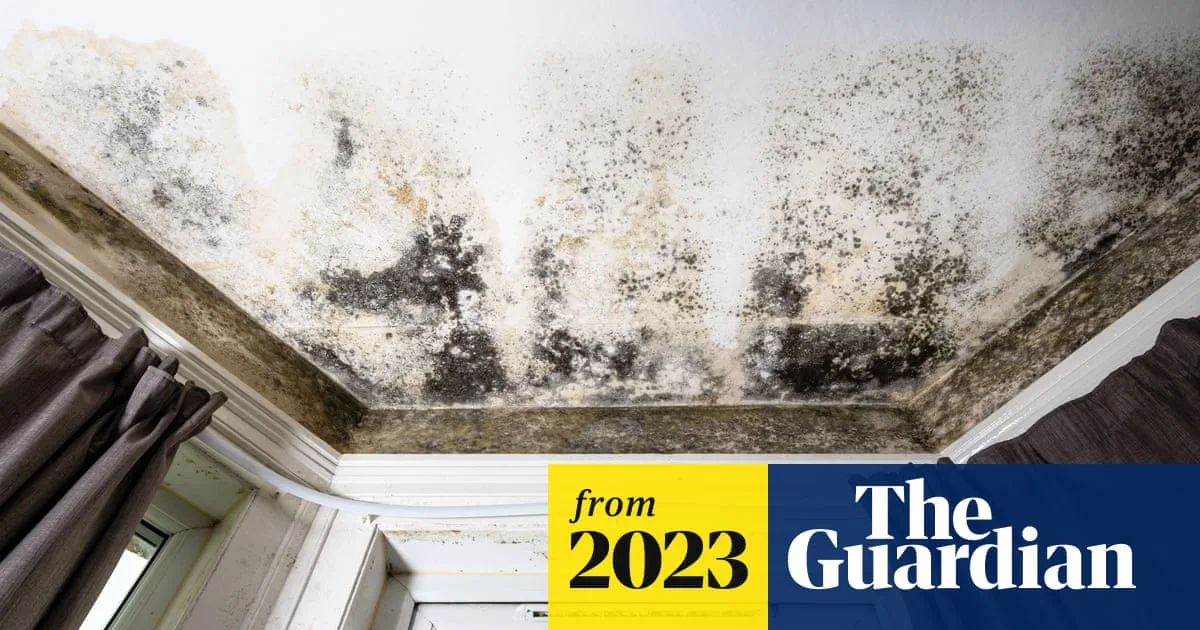
Thousands of people, including babies and toddlers, are hospitalised each year in the UK with lung conditions linked to damp and mould-ridden homes. Official figures classify about 3% of flats and homes as having damp, but this only covers severe cases; many more homes are affected in practice. The problem is not evenly spread: damp is five times more common in private rentals than in owner-occupied homes, and prevalence is two to three times higher in some black and Asian households compared with white British households.
Damp, or excess unwanted moisture, builds up through condensation, rising damp, or penetrating damp. Condensation from showers, cooking, and drying clothes indoors is the most common cause. Mould, a form of fungus, releases thousands of tiny spores that can trigger allergic reactions in about 5% of the population. Common indoor moulds include cladosporium, aspergillus, penicillium, alternaria, and the toxic black mould stachybotrys.
Health effects range from itchy eyes and eczema to respiratory conditions such as coughs, wheezes, and life-threatening asthma attacks. A US Environmental Protection Agency study attributed more than a fifth of national asthma cases to damp and mould. In people with existing lung damage or weakened immune systems, inhaled mould can cause established infections that may spread to the brain, heart, or kidneys.
Anyone can develop health issues from damp and mould, but those with existing medical conditions, children, and older people are hit hardest. People with allergies, asthma, COPD, cystic fibrosis, other lung diseases, or cardiovascular disease are at greater risk. Damp also affects mental health, with doctors seeing more depression and anxiety in people living in cold and damp homes.
Simple preventive measures, such as improving ventilation, reducing condensation, and fixing leaks, can make a big difference. Visible mould must be dealt with promptly to prevent spore buildup and reduce health risks.




