

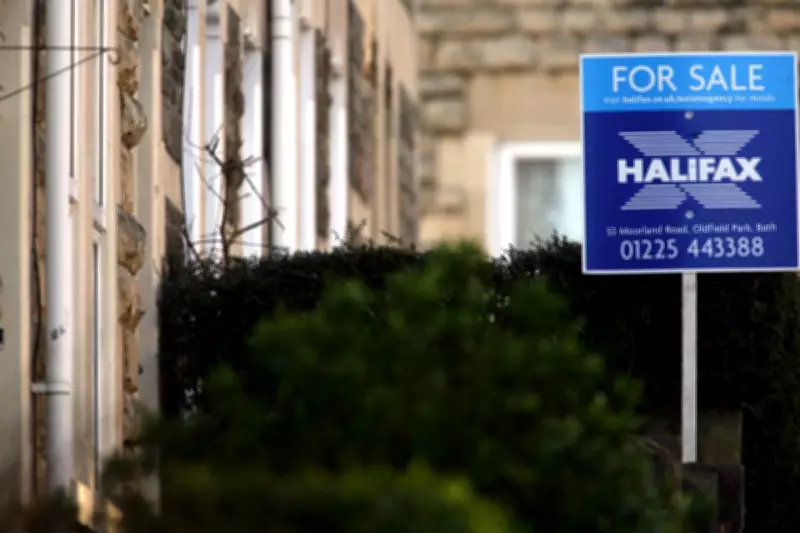
Mortgage Rates Climb as Global Uncertainty Intensifies
Homeowners approaching the end of fixed-rate mortgage deals are being urged to act swiftly, as experts warn that borrowing costs are rising rapidly due to global economic pressures. The recent conflict in the Middle East has triggered a sharp increase in swap rates, which underpin mortgage pricing, leading lenders to withdraw their most competitive offers.
Bank of England Holds Firm Amid Crisis
The Bank of England is expected to maintain interest rates when its Monetary Policy Committee convenes this Thursday, rather than implementing cuts that were previously anticipated. This decision places additional strain on mortgage deals, with the best rates being pulled from the market. Swap rates, which reflect market expectations for future borrowing costs, have surged since the outbreak of the Iran war, causing sub-4% mortgages to disappear almost overnight.
Elliot Nathan, a partner at mortgage broker Eddge, emphasised the urgency: "As of today, it's easier to name which banks haven't increased rates in the past few days. I suspect with the uncertainty we shall continue to see SWAPs rise, which in turn will lead to lenders making further increases. I would strongly recommend anyone thinking of securing a fixed rate for a remortgage due to expire this year to move quickly."

Major Lenders Increase Rates Across the Board
None of the UK's leading lenders currently offer fixed-rate mortgages below 4%. All major banks, including Barclays, HSBC, Lloyds Bank, NatWest, and Santander, have raised their rates since early March, with building societies following suit. For instance, Nationwide increased rates on some fixed deals by 0.35% from Tuesday, March 17.
While current mortgage costs remain lower than a year ago, before the Bank of England's rate cuts, brokers note that borrowing costs are now driven by international events rather than domestic policy. This limits the government's ability to mitigate the impact on homeowners.
Expert Insights on Market Stability
Rachel Springall, a finance expert at Moneyfactscompare.co.uk, commented: "Borrowers looking for the lowest fixed rates will be disappointed to see the demise of sub-4% mortgages, but they are not sustainable with swap rates increasing. Lenders look at margins very carefully, so it would be unwise to price their deals too low if expectations are for interest rates to rise, even over the short term."
She added that the mortgage market requires stability, noting that borrowing costs are still comparatively low. Sub-4% deals have been available since February 2025, but lenders are now adopting a cautious approach due to global pressures, unlike the domestic policy-driven "mini-Budget" fiasco of 2022.
Impact on Borrowers and Future Projections
Peter Stimson, director of mortgages at MQube, highlighted the direct impact on customers: "Since the start of the Iran war, swaps have risen around 0.60%, and all of this has essentially been passed on to mortgage customers, with major lenders repricing at least twice." This means a first-time buyer seeking a 90% loan-to-value mortgage now faces rates of approximately 4.65% for a two-year fixed deal and 4.90% for a five-year deal, both with a £999 fee.
Stimson warned that rates could climb further if the conflict persists, with oil prices potentially reaching $150 per barrel, prompting another jump in mortgage rates. Currently, oil is trading at $103 per barrel.
Dan Coatsworth, head of markets at AJ Bell, noted: "The longer the oil price stays above $100 per barrel, the louder the alarm bells for the market over inflation risks. Iran's continued attacks on regional energy infrastructure are helping to keep crude at elevated levels."

Broader Implications for the Housing Market
Some analysts point to a lack of new housing as an additional factor affecting mortgage affordability. Mary-Lou Press, President of NAEA Propertymark, stated: "The loss of sub-4% fixed-rate mortgages will be disappointing for many buyers, particularly first-time buyers already facing affordability pressures. This shift highlights how sensitive mortgage rates are to wider economic uncertainty, making it harder for people to plan and potentially slowing activity across the housing market."
She emphasised that even minor rate increases can significantly impact borrowing capacity and monthly costs, underscoring the need for market stability and consumer confidence in these turbulent times.





