
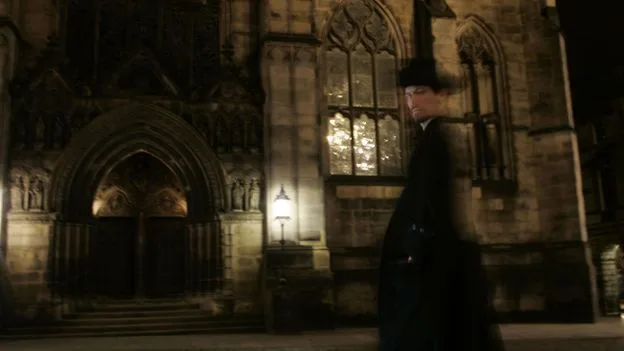
Halloween, with its ghouls and spectres, may be more than just spooky fun. According to scholars, ghost stories can serve as moral lessons, encouraging ethical behaviour by reminding us that our actions have consequences beyond the grave.
The origins of Halloween lie in the Celtic festival of Samhain, which marked the beginning of winter and was believed to be a time when the boundary between the living and the dead blurred. Pope Gregory I later Christianised these pagan traditions, leading to All Saints' Day and All Hallows' Eve, or Halloween.
During the Middle Ages, belief in ghosts and purgatory led the Church to sell indulgences, a practice that sparked the Reformation. In Protestant countries, ghosts became associated with 'Catholic superstitions'. By the 19th century, Spiritualism emerged, claiming the dead could communicate with the living through séances and ouija boards.
Today, ghost hunters use scientific methods to seek evidence of the paranormal. Belief in ghosts is widespread globally; in Taiwan, for example, 90% of people report seeing spirits. Many cultures distinguish between friendly ancestral ghosts and unfriendly 'hungry ghosts' that haunt the living.
Tok Thompson, a mythology scholar at the University of Southern California, notes that ghosts often appear due to unresolved injustices, such as unsolved murders or improper funerals. They serve as reminders that ethical failures can carry spiritual weight, urging societies to confront their shadowy pasts.
Ultimately, ghost stories offer hope by suggesting that justice and morality transcend death, encouraging us to lead more virtuous lives.




