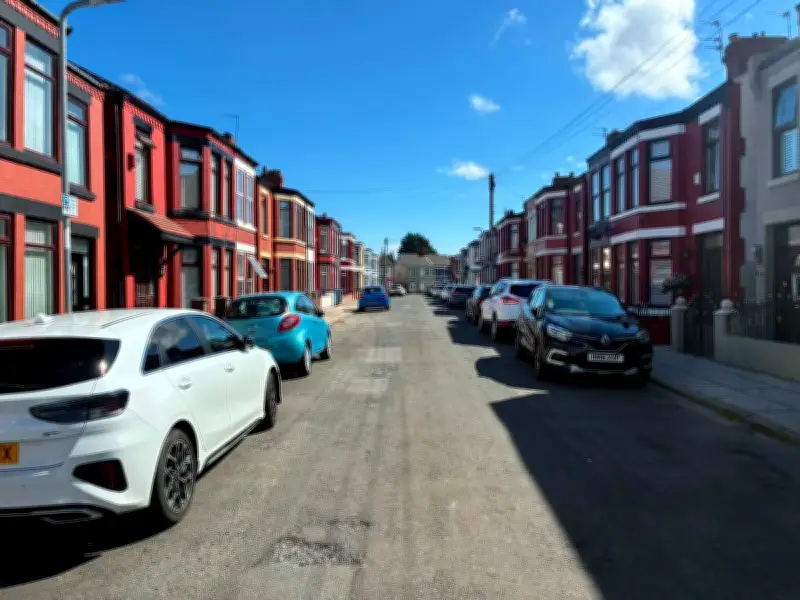
Liverpool City Council is set to introduce stricter controls on the growth and concentration of houses in multiple occupation (HMOs) across the city. The cabinet will be asked to approve new article 4 directions that would require planning permission before a family home can be converted into a small HMO accommodating between three and six unrelated people who share facilities such as a kitchen or bathroom.
Under current national permitted development rights, this type of conversion can generally take place without planning permission unless an article 4 direction is in force. Larger HMOs accommodating more than six people already require planning permission.
Scope of the proposed changes
The changes would not ban HMOs outright. The direction would remove the automatic right to convert family homes and would require any proposed development to go through the planning process.
If approved, the additional controls would take immediate effect in areas where evidence has identified growing concentrations of HMOs. These include Kirkdale, Everton, County, Walton, Orrell Park and part of Fazakerley. Part of Tuebrook Larkhill would be included alongside Old Swan and part of Stoneycroft as well as Penny Lane, part of Calderstones. St Michaels and Sefton Park would also be part of the direction.
Evidence and impact
A council assessment reports that HMOs represent between 3% and 4.6% of the city’s housing stock. Although most HMOs remain within the existing article 4 area, the number of small HMOs grew by 15% inside the boundary over a three-year period, compared with 57% elsewhere in the city.
The changes would enable planners to assess issues including the concentration of existing HMOs, the loss of family housing, effects on neighbourhood character and pressures on parking, waste services, and community facilities. In July, Cllr Liam Robinson, leader of Liverpool Council, said the authority would wage “war” on HMOs amid growing concern about the concentration of developments in communities.
Council and consultation
Cllr Nick Small, cabinet member for growth and economy, said: “HMOs play an important role in meeting Liverpool’s housing needs, but we must be able to manage where new properties are created and prevent excessive concentrations from placing unfair pressure on individual neighbourhoods.
“These proposals would give us greater oversight of new HMOs, helping to protect family housing and ensure our communities remain balanced and sustainable.
“This will mean that all proposals are properly considered through the planning process, taking account of their location and potential impact on residents and local services.”
Subject to cabinet approval, the council would publish the proposed directions and begin a statutory consultation. Residents, businesses and other interested parties would be able to submit representations, which would be considered before the cabinet decides whether to confirm the directions.
Cllr Hetty Wood, cabinet member for housing, said: “We want Liverpool’s neighbourhoods to remain places where people can put down roots, raise families and feel proud of where they live. HMOs provide an important housing option for many people and will continue to have a place in our city.
“We also need to make sure communities remain balanced and that local residents have confidence that new developments are being carefully considered. By taking a more planned approach to future growth, we can help ensure Liverpool’s neighbourhoods remain welcoming, sustainable places where people want to live for years to come.”