
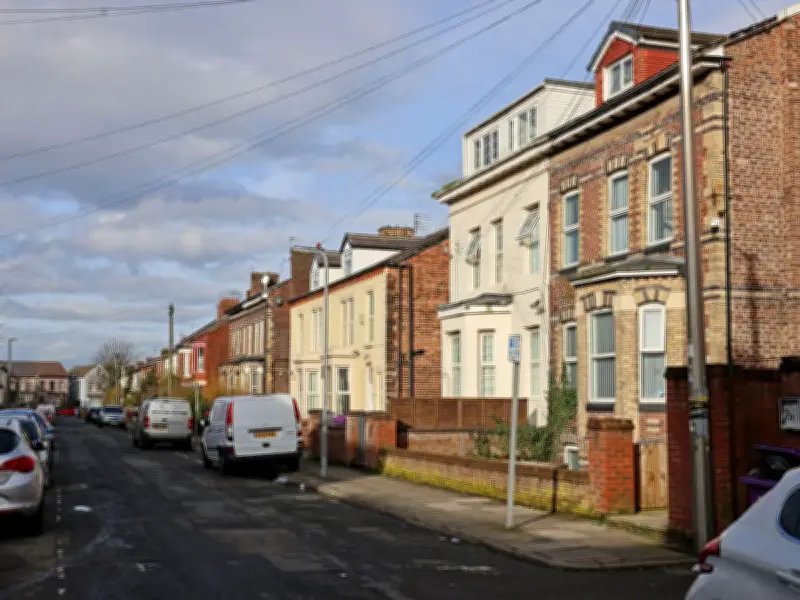
Liverpool Council has responded to reports it has seen the biggest increase in houses of multiple occupation (HMOs) in Britain over the past decade. A report in The Sunday Times claimed almost 16,500 HMOs are now in operation, up from nearly 5,000 in 2015 – a rise of more than 240%.
Council survey and context
The local authority has launched a survey seeking views on HMOs and whether additional controls are needed. An HMO is a property where three or more unrelated tenants live together, usually sharing kitchens and bathrooms. Private landlords in England and Wales can convert a single dwelling into an HMO with up to six tenants without planning permission, though a licence is required for five or more people.
Cllr Hetty Wood, cabinet member for housing, said the figures “need to be understood in their proper context” as the HMO category includes a wide range of shared accommodation, from student housing to accommodation for healthcare workers. Changes to national legislation in 2018 significantly expanded what is classified as an HMO.
Local plan and Article 4
In their local plan launched last month, city council officials set out plans to curb HMO numbers. The plan, which sets the direction for the next 15 years, seeks to limit HMOs to just 10% of neighbourhood areas, retain family dwellings, and prevent homes being “sandwiched” by shared occupancy properties.
Cllr Liam Robinson, leader of Liverpool Council, described the authority’s efforts as a “war.” The council’s survey asks residents for input to “better assess the location and potential impacts of HMOs across Liverpool and determine the right solutions to best manage this type of housing, including whether additional controls through further Article 4 Directions (A4D) areas are necessary to protect the character and amenity of our neighbourhoods.” Article 4 directions allow councils to remove or restrict the right to convert family homes to HMOs.
Local concerns and enforcement
Cllr Joe Dunne, who has worked on unlicensed HMOs in his Tuebrook Breckside Park ward, warned the measures were not a silver bullet. He said: "Residents have been raising concerns for years, yet enforcement has too often lagged behind. The focus now must be on ensuring planning, licensing and housing work together so the rules are applied consistently, not declarations of war for a headline with no substance to back it up."
He added: "Article 4 alone won’t prevent HMO combined, but planning, licensing and housing doing their due diligence and properly enforcing the rules will. We have seen people operating HMOs that don’t even apply for planning permission, because they know it won’t be approved. They just carry on regardless, the enforcement in Liverpool is that weak that none of them actually check this information out. Until the council starts doing a joined up approach and proper enforcement on this, nothing will change."
Cllr Wood said: "These figures need to be understood in their proper context. The HMO category includes a wide range of shared accommodation, from student housing to accommodation for healthcare workers and other shared living arrangements, and changes to national legislation in 2018 significantly expanded what is classified as an HMO. This means direct comparisons over time can be misleading. That said, we recognise that high concentrations of HMOs can place pressure on some neighbourhoods and affect the balance of communities."
She continued: "That’s why Liverpool Council has already introduced Article 4 Directions in a number of areas and is now consulting on extending these protections across the city. We have also included stronger policies in the emerging Local Plan to ensure new HMOs are located in appropriate places and support balanced, sustainable communities. We want Liverpool to remain a city that offers a wide range of high-quality housing, whether for students, key workers, families or long-term residents. We are equally clear this must be balanced with protecting the character of our neighbourhoods and giving local communities confidence that growth is being properly managed."




