

As a severe cold front blankets the UK with ice and snow, homeowners are being warned to take immediate action to protect their properties from the devastating damage caused by frozen and burst pipes.
The Crucial Thermostat Setting to Remember
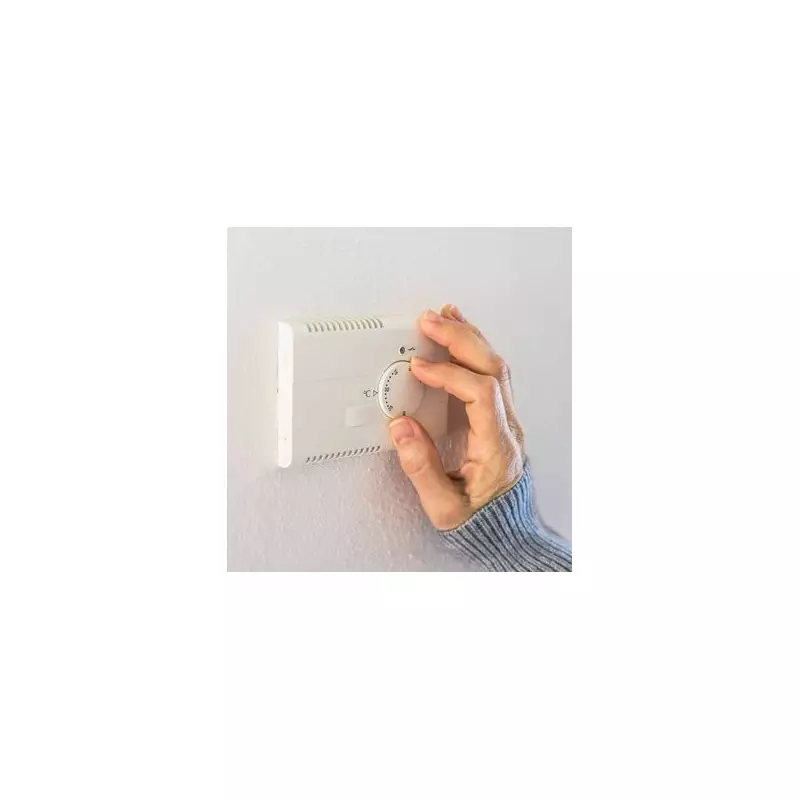
Plumbing and heating expert David Doran of Blackstone Plumbing and Heating Ltd has issued clear guidance to combat the risk. Contrary to turning the heat off or setting it very low to save money, he advises maintaining a steady temperature between 18°C and 20°C during the day.
This consistent warmth is key to minimising the chance of water inside pipes freezing solid, which can lead to them cracking or bursting under pressure.

Smart Heating Strategies for Home and Away
With many households mindful of energy bills, the advice is not to lower the thermostat excessively. For times when you are asleep or away from home, such as during a winter holiday, the recommended setting shifts slightly.
David advises keeping your thermostat between 15°C and 17°C in these scenarios. This approach balances energy conservation with the critical need to stop your home's internal temperature from plummeting to a dangerous level for your plumbing.
Another effective tactic is to schedule regular heating periods throughout the day, which helps maintain residual warmth in the pipework and walls.
Utilise Technology and Prioritise Maintenance
Many modern heating systems come equipped with a 'frost protection' setting, designed specifically to automatically keep temperatures above freezing in an energy-efficient manner. Homeowners should check if their system has this feature and ensure it is activated.
Beyond daily settings, annual boiler servicing is non-negotiable for winter preparedness. A professional service ensures your boiler operates safely and efficiently, can identify potential issues like leaks or blockages early, and is often a requirement for maintaining warranties and home insurance policies.
Regular servicing not only helps prevent dangerous situations like carbon monoxide leaks but can also improve efficiency, potentially reducing future bills.






