

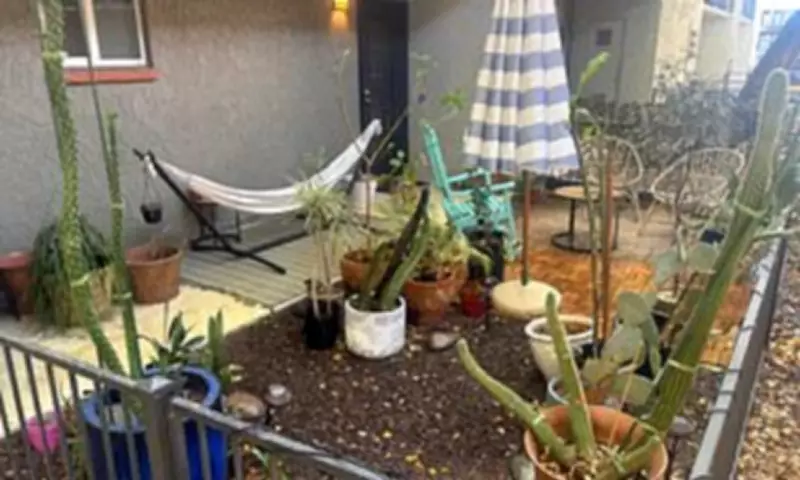
Renter Faces 10-Day Eviction Threat Over 'Cluttered' Garden Plants
An American tenant has ignited a fierce online debate after revealing they received a 10-day notice to vacate their home unless they immediately addressed what many are calling a 'ridiculous' issue: a backyard deemed 'too cluttered with plants.' The renter took to Reddit to express frustration, claiming the warning came from a new leasing manager and has no basis in their lease agreement.
Years of Gardening Under Threat
The tenant explained they have lived in the same apartment complex for years, gradually cultivating what they describe as a thriving garden filled with cactus varieties and desert-friendly plants. However, following a recent inspection, the situation changed abruptly. 'I got a ten-day notice because my backyard was too cluttered with plants,' they wrote. 'The lease has no mention of such a rule, and as I've lived here through about five different ownership companies, I told them to f*** off unless they want me to file for intimidation.'
According to the tenant, the notice made no reference to safety concerns, access issues, or hazards—only that the space appeared 'too cluttered.' They emphasized that their lease stipulates the patio space must only contain plants and patio furniture, which they claim is exactly what they have. The situation appears to hinge on interpretation rather than any clear breach of rules, fueling a fiery reaction among thousands of commenters.

Divided Opinions on Online Platforms
Some readers questioned whether there was more to the story, suggesting potential hazards. 'I'd be curious to read the complaint,' one said. 'If it is a trip and fall hazard, they may have a case. You may need to rearrange your garden.' Another echoed this sentiment, noting, ''Too cluttered' is bad communication for tripping hazard. Move the plants to the fences and you should be fine.'
However, the renter insisted this wasn't the case, stating the leasing manager hadn't mentioned tripping hazards and that there are clear walking paths wide enough to navigate. They also claimed neighbours had never raised concerns, with some even praising the garden. 'Our neighbours like our yard as it's the best in the alley,' they wrote. 'Plus, nobody walks through the back alley.'
Criticism and Defense of the Garden's Appearance
Not everyone sided with the tenant. Some comments agreed with the leasing manager, arguing the space looked untidy. 'Can we all just be honest that it looks bad lol?' one wrote. 'Not to be a d*ck but it seems like that's obviously the reason here. They're saying cluttered because it looks like clutter. There's a way to have plants and furniture without it looking like a mess.' Another added, 'Your patio is a disaster. Dead plants all over. Pots tipped over. Clean it up.'
The renter hit back, defending the garden's state and insisting appearances were misleading. 'There are two dead plants and one dead cactus, the empty pot you see has cactus arms laying in it to callous,' they replied. Supporters rallied behind them, praising the space's personality and questioning landlords' right to police aesthetics. 'I only see plants and patio furniture, what a bunch of scrooges,' one supporter commented. 'Especially knowing how much careful work goes into those plants.'
Broader Implications for Tenant Rights
For some, the debate extended beyond this single backyard, touching on broader issues of tenant autonomy and property management. 'Totally disagree. The neighbours have nothing on their porches and balconies and those spaces look creepy and un-lived in,' a third debated. 'Do they seriously just want empty slabs of concrete instead of plants? It's so weird.' Another agreed, saying, 'Disagree, it has character and looks welcoming. Plus my front porch and yard area is filled with random potted plants just like this, and a lot of our neighbours have told us how cool our porch looks.'
In the end, the renter revealed they attempted to reach a compromise by emailing an agreement to straighten up the space and replace some plants. However, the incident has left many questioning where the line should be drawn between maintaining a property and controlling how tenants choose to live in it, highlighting ongoing tensions in rental agreements and management practices.






