
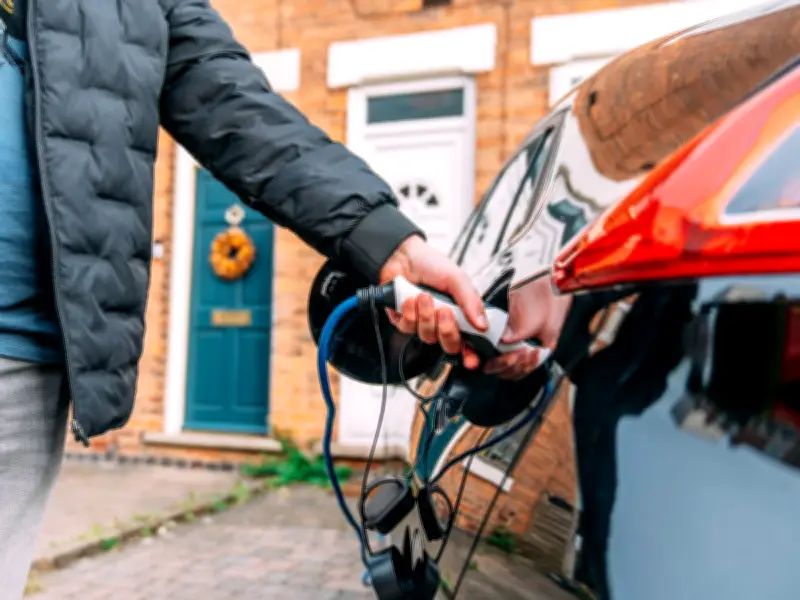
More than two million fully electric cars are now on UK roads, according to recent RAC figures, and that number is climbing. As more people switch to electric vehicles, many are installing home charging points. But this can lead to disputes with neighbours, especially in older properties not designed for such installations.
Legal rules for cables and chargers
In the UK, it is generally illegal to trail an EV charging cable across a public pavement or footpath without explicit permission from the local highway authority. Doing so creates a public safety hazard and can constitute an obstruction under the Highways Act 1980.
When a neighbour installs an EV charger on their own private driveway, the legal situation changes completely. They have a general right to do what they want with their land, but they cannot infringe upon your property rights or create a nuisance.
Boundaries, shared driveways, and light nuisance
The physical charging unit and all cables must remain entirely within the property boundary. If any part of the charger, bracket, or cable extends onto your land, it constitutes a trespass.
If you share a driveway, neither of you can block the other's access. If the charging cable poses a trip hazard in a shared zone, or if the neighbour's EV parks in a way that blocks you, it breaches your right of way.
If the charger has bright, flashing LED status lights that shine directly into your bedroom window at night, this may constitute a statutory light nuisance under the Environmental Protection Act 1990. If the property is a leasehold (common with flats, maisonettes, and some newer builds), the neighbour cannot install an external charger without written permission from the freeholder. Doing so breaches their lease terms.
What should you do?
First, check your own home title deeds for any "restrictive covenants" regarding external alterations or shared access rules, as the neighbour's home likely has the same or similar restrictions.
The most important thing, if you plan to make a case, is to document everything relevant. Take photos if the cable crosses into your space or blocks your car. If the lights are blinding at night, take a video to prove it.
Before taking things to a legal level, talk to the homeowner first. Many EV chargers have app settings to dim or turn off status lights at night, and discussing cable issues can help both sides reach a solution without involving lawyers.




