
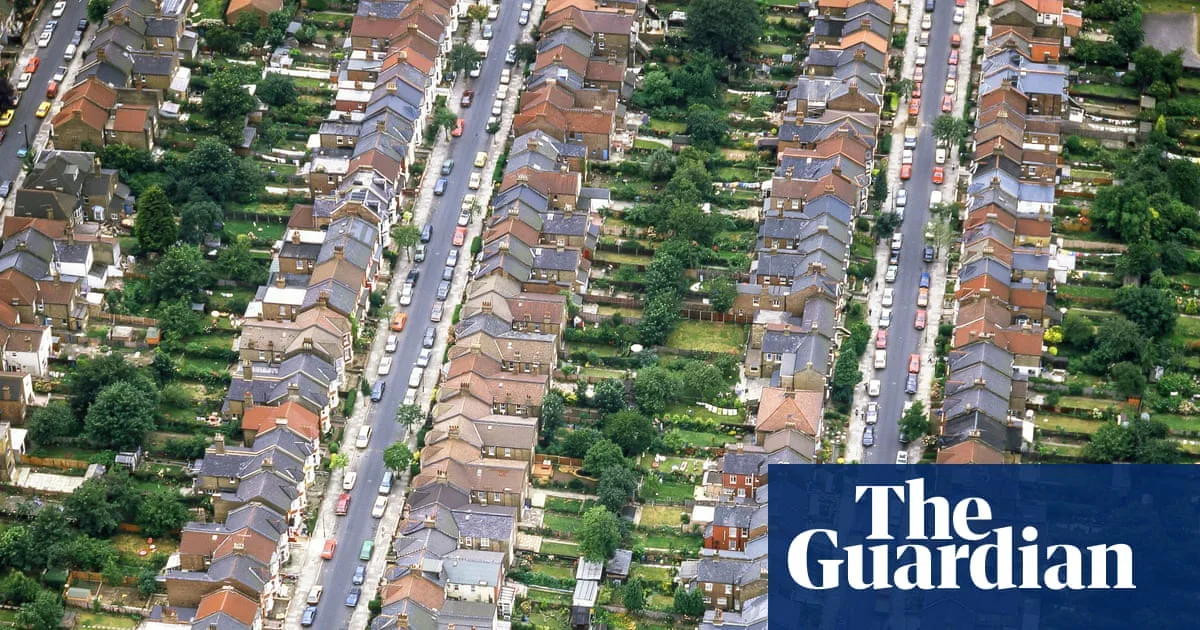
Millions of homes across England are at risk from climate-related subsidence, according to a new analysis by the British Geological Survey (BGS). The study identifies London, Essex, Kent and a swathe of land from Oxford to the Wash as the most vulnerable areas, where hotter, drier summers are causing the ground to shrink and drag down building foundations.
Anna Harrison, a BGS scientist, warned that the combination of geotechnical factors and projected climate changes creates a “double whammy” for affected regions. “London has a higher density of buildings, and these properties might have foundations that currently withstand moisture changes, but in future there will be more movement,” she said. The research indicates that subsidence could become more frequent and severe as global heating accelerates.
Subsidence can significantly reduce property values and complicate mortgage approvals. Signs include diagonal cracks around windows and doors, and sloping floors. Remediation often requires engineering work to stabilise the land, underpin foundations, replace utility pipes, or remove vegetation. In the first six months of 2025, the UK saw £153m in subsidence-related insurance claims, following the warmest spring on record and the driest in over 50 years.
The BGS’s GeoClimate dataset projects that under a low-emissions scenario aligned with the Paris Agreement, around 500,000 properties could be affected by 2070. Under a medium scenario, which reflects current global emissions trajectories, this figure rises to more than 1.8 million. In highly populated parts of London, including Camden, Islington and Barnet, the proportion of affected properties could exceed 26% by 2070 under the medium scenario.
“Dry weather and high temperatures are a major factor in the emergence of shrink-swell subsidence,” Harrison added. “Looking ahead, these increases in hotter, drier summers and warmer, wetter winters are projected to continue.” The findings underscore the urgent need for mitigation measures to protect homes and infrastructure from the escalating impacts of climate change.




