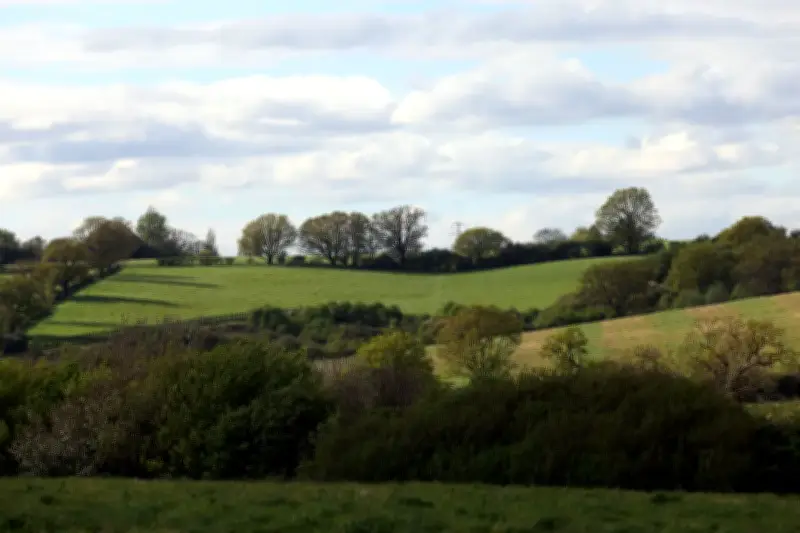
A letter responding to a recent article about the proposed new town in Enfield argues that local opposition is a rejection of poor planning, not nimbyism. The writer, Kathrin Spinnler, says the risks of building on the green belt include increased flooding, loss of access to nature and high car-dependency, all of which contradict government and mayoral objectives.
No evidence of affordability impact
Spinnler states there is no evidence the new town would alleviate Enfield's housing crisis, which is mainly affordability-based. She cites the Office for Budget Responsibility's estimate that proposed planning reforms would reduce house prices by just 0.8% by 2029-30.
Far from being built mainly on golfing greens and “a cluster of glasshouses and garden centres, an unplanned sprawl”, the town threatens 884 hectares of Enfield's green belt, including wooded land and farmland.

Infrastructure concerns
Describing Enfield as “the perfect borough for a new town, with excellent rail connections” ignores reality, Spinnler argues. Added traffic would cause major problems in the north of the borough. Crews Hill runs just two to four trains per hour, with few to no alternative connections available, and the infrastructure will not cope with 40,000-plus additional residents.
Brownfield alternatives
Spinnler says Enfield should focus on its capacity to build up to 37,000 brownfield homes, far more than the new town proposal of 21,000 homes. Alternative sites include the 10,000-home Meridian Water development, which has been 10 years in the making but so far delivered just 300 homes. Such developments must take priority over covering the green belt in concrete.