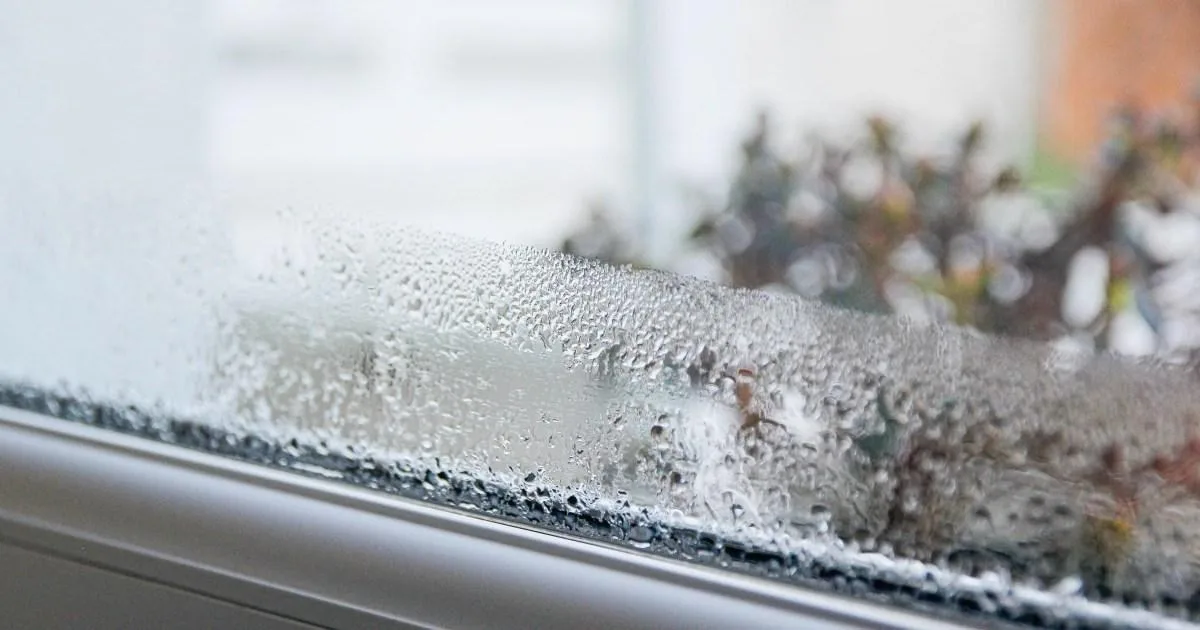
As the United Kingdom braces for continued cold, wet weather with forecasts of snow and freezing rain throughout February, household maintenance tasks have never been more critical. One daily habit, in particular, is being highlighted as essential to prevent condensation buildup on windows and walls. Ignoring this simple practice could lead to increased moisture, damp issues, and potential mould growth in homes across the nation.
The Rise of 'House Burping'
In recent months, a straightforward and cost-free method known as "house burping" has gained significant traction on social media platforms like TikTok. This practice involves airing out your home for approximately 10 to 15 minutes each day to allow fresh air to circulate. It is a timely and practical home hack that promises to reduce humidity levels, improve indoor air quality, and minimise condensation. Interior experts confirm that this age-old technique, now rebranded for the digital age, is highly effective when performed correctly.
Avoiding Common Mistakes
Steven Dempsey, an interior expert at Shutterly Fabulous, emphasises the importance of executing house burping properly to avoid exacerbating condensation problems. He explains, "House burping is the modern term for an age-old habit: cracking open windows for 10-15 minutes a day to let fresh air sweep through the home. The trend has recently taken off on TikTok, but many households have been practising this method for years – and rightfully so."
Dempsey warns that one simple error could worsen moisture issues. "If shutters and blinds remain closed during ventilation, cold air can become trapped between the window and the blind, increasing the risk of condensation," he states. To ensure optimal airflow and moisture reduction, it is crucial to fully open both windows and window coverings during the daily airing process.
Benefits Beyond Condensation Control
When performed correctly, daily house burping offers a multitude of advantages beyond merely combating condensation. This brief ventilation period helps to push out stale indoor air, replacing it with fresh outdoor air, which reduces pollutants and allergens within the home. Additionally, it naturally eliminates lingering odours, leaving interiors feeling cleaner and smelling fresher without reliance on artificial fragrances or chemical products.
Steven Dempsey notes, "A quick burst of fresh air helps reduce moisture levels, preventing condensation from settling and stopping mould. It's especially effective in high-humidity rooms such as bathrooms and kitchens, and can be a game-changer for homes without extractor fans."
Comprehensive Condensation Prevention Strategies
While house burping is a highly effective daily practice, experts recommend a holistic approach to managing condensation and dampness in homes. Consider implementing the following additional measures:
- Open windows frequently to maintain consistent airflow.
- Utilise extractor fans in kitchens and bathrooms during and after use.
- Keep doors closed to contain moisture in specific areas.
- Cover pans when cooking to minimise steam release.
- Dry clothes smartly, preferably outdoors or in well-ventilated spaces.
- Wipe down surfaces regularly to remove excess moisture.
- Maintain consistent heating to reduce temperature fluctuations.
- Consider furniture replacement if items are placed too close to external walls.
- Open curtains during the day to allow warmth and light to reach windows.
If condensation persists despite these efforts, it may indicate underlying issues such as poor insulation or structural problems. In such cases, seeking professional advice is recommended to address more significant concerns and ensure a healthy living environment.






