Gardeners are being cautioned that they could fall foul of the law under a little-known regulation concerning tree cutting in their gardens. Trees are a vital element of any garden, offering colour, shade and privacy, while also providing a habitat for wildlife such as birds.
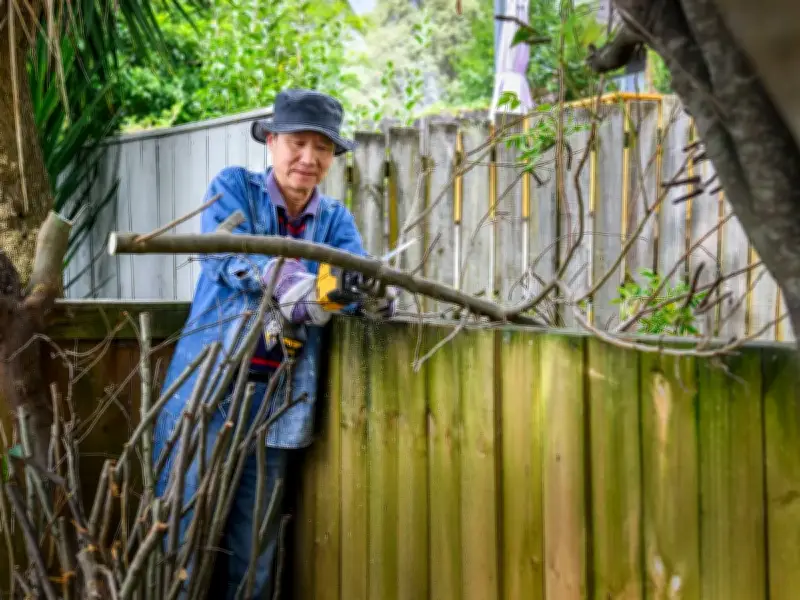
However, because they tend to grow slowly, they can linger as a potential issue for decades without ever actually becoming problematic. One particular difficulty can arise between neighbours when trees begin to grow over boundary lines. While it is perfectly legal to trim branches hanging over onto your side, there is a lesser-known law surrounding the cutting process.
What the law allows
Natalie Welsh from HCB Widdows Mason said: "It can be really frustrating when branches or plants from your neighbour's garden start to spill over into your space."
"In England and Wales, you're allowed to cut back any branches that cross onto your property, but only up to the boundary line. Just make sure you don't step onto your neighbour's land or damage the tree itself."
Natalie recommended having a cordial conversation with your neighbour before undertaking any work, outlining your intentions, particularly if you believe a tree surgeon may be required.
Costs and disposal of cuttings
Natalie added: "If the branches are overhanging onto your side, you're responsible for the cost of having them removed, not your neighbour. Once you've cut them back, you're also responsible for properly disposing of the branches."
"The cut branches belong to your neighbour, and you can offer to return them, but you mustn't just throw them back over the fence-that's fly-tipping, which is illegal."
Should your neighbour have no use for the trimmings, the expert advised that you must dispose of them responsibly, whether that's placing them in your garden waste bin or taking them to your nearest recycling centre.
Boundary responsibilities
Natalie said: "The obligations for maintenance can change over time, and responsibility is often poorly documented. If any plans associated with the property show 'T' marks on the title documents (your conveyancer can advise you), this usually indicates the boundaries you are to maintain and repair."
"If there are no such 'T' marks and the title is silent as to boundaries, then it is usually the case that the boundaries are considered party boundaries."
This indicates that the responsibility for upkeeping the boundaries is divided equally amongst neighbouring properties. In the majority of cases, the expert suggested that a polite conversation with your neighbour could help establish ownership of the boundary in question. This can go a long way towards preventing disagreements or misunderstandings further down the line.
Natalie noted: "Boundary disputes can often become costly and acrimonious-if you're not sure about your rights or think things might get tricky, it's a good idea to speak to a legal expert first."