

Cragside: Britain's Pioneering Smart Home and Hydroelectric Estate
Nestled within the breathtaking mountain landscape of Rothbury, Northumberland, Cragside stands as a spectacular Victorian mansion that holds the distinguished title of Britain's original smart home. This architectural masterpiece, now under the stewardship of The National Trust, is not only a visual marvel but also a historic trailblazer as the world's first building powered by hydroelectricity.
Architectural Grandeur and Cinematic Fame
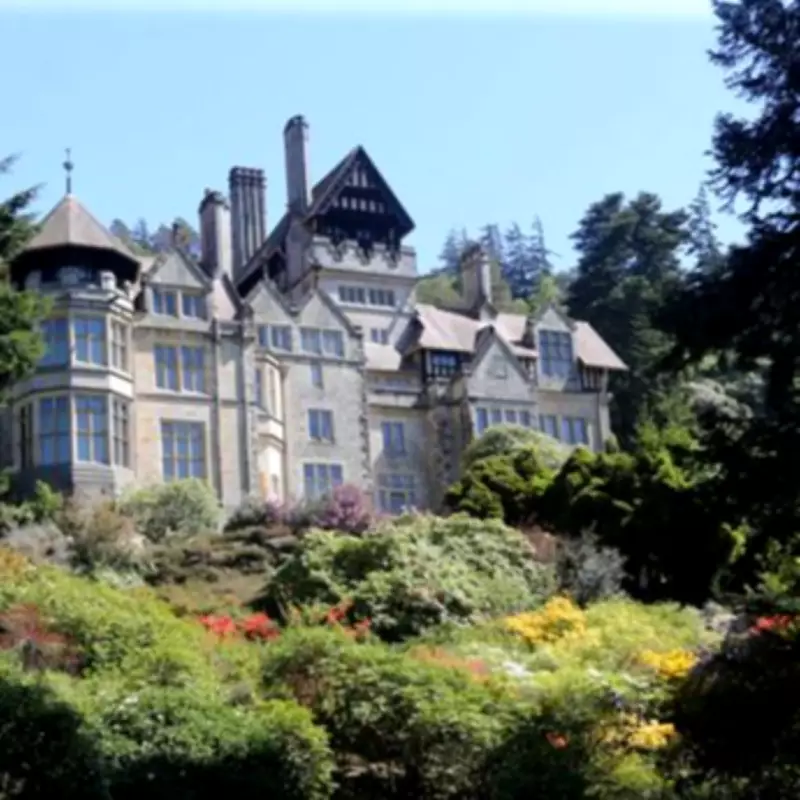
From its exterior, the enormous mansion looms dramatically over the water below, featuring asymmetrical design and striking pointed roofs that give it a distinctly Tim Burton-esque quality. Its unique beauty has made it a sought-after location for film productions, most notably appearing as Lockwood Manor in the 2018 blockbuster Jurassic World: Fallen Kingdom.
The property's multiple pointed roofs and curved brickwork create an unforgettable silhouette that has captivated visitors and filmmakers alike for generations.

Revolutionary Hydroelectric Innovation
What truly sets Cragside apart is its groundbreaking technological achievements. This was the world's first building to be powered by hydroelectricity and operated by hydraulics, with rivers, lakes, and waterfalls working in harmony to power both the property and its enchanting gardens.
The estate pioneered numerous domestic innovations that were revolutionary for their time:
- Central heating systems
- Electric lighting installations
- Gravity-fed plumbing
- Water-driven machinery
- Hydraulic lifts
In 1878, carbon-arc lamps were installed in the Gallery room, marking early electric lighting. By 1880, working alongside chemist Joseph Swan, the estate achieved the first residential installation of incandescent lightbulbs.
Historical Development and Visionary Founders
Cragside was brought to life through the visionary partnership of William and Margaret Armstrong. William, an engineer and industrialist responsible for numerous groundbreaking inventions, collaborated with Margaret, whose extensive botanical expertise inspired the creation of the magnificent gardens.
What began as a simple sporting lodge in 1863 gradually evolved over three decades into a sprawling estate. Architect Richard Norman Shaw expanded the architectural masterpiece in three principal phases between 1870 and 1884, with the Armstrongs living on a building site throughout much of the construction.
Following years of continuous refurbishment and innovation, the property eventually passed to their great-nephew, William Watson Armstrong, after he inherited it. Since the couple had no children, he became the rightful heir, and the home remained with his family for two additional generations before coming under National Trust protection.
Spectacular Walking Trails and Grounds
Due to its breathtaking setting, Cragside provides exceptional opportunities for extensive walks across and surrounding the grounds. The estate features two particularly lengthy routes that showcase different aspects of the property:
- The Hydro-power Trail: This 6.5-mile route guides visitors past every aspect of the technology used to harness water power, offering an educational journey through the estate's innovative systems.
- The Views of Cragside Route: Providing panoramic views of the Northumberland hills and beyond, this trail leads past the Formal Garden where visitors can appreciate meticulously arranged flower beds.
Throughout the estate, signposts direct visitors to various trails suitable for different abilities. The most family-friendly option is Nelly's Moss, considered easy to moderate and taking up to an hour to complete.
Visitor Information and Practical Details
To fully enjoy all that Cragside has to offer, visitors do not need to pre-book their visit. Parking is included in the entry fee, with National Trust members receiving complimentary access. The current admission prices are:

- Adults: £27.00
- Children: £13.50
- Family Ticket (2 adults and up to 3 children): £67.50
The site opens its doors from 11am daily, with the house closing at 3pm and the remaining facilities remaining accessible until 4pm. This schedule allows visitors ample time to explore both the interior marvels and the extensive grounds of this historic estate.
Cragside represents a remarkable fusion of Victorian architectural grandeur, pioneering technological innovation, and natural beauty that continues to inspire visitors more than a century after its revolutionary systems were first implemented.





