

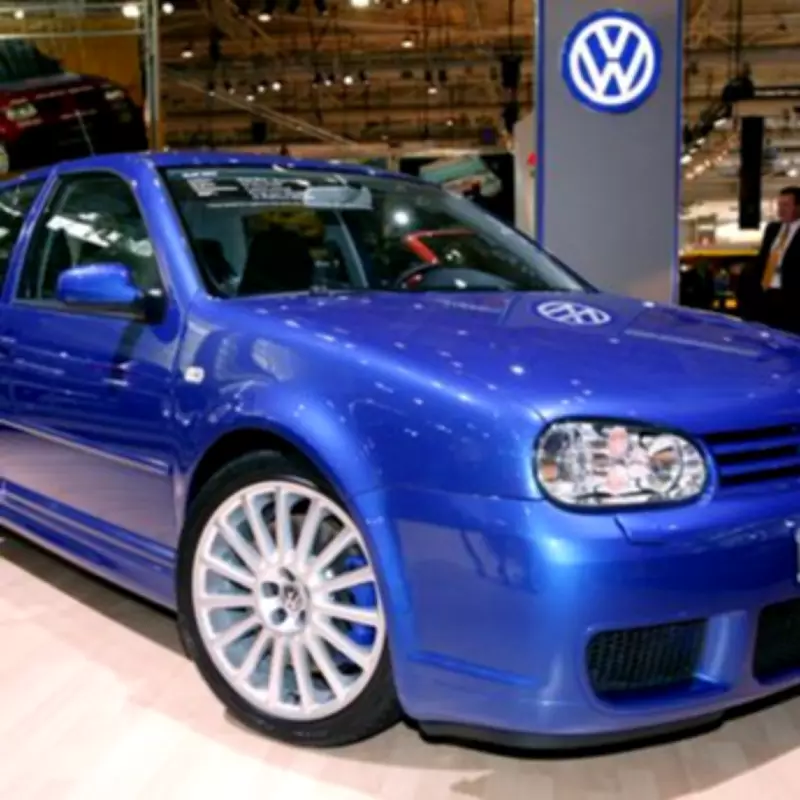
A campaign to save thousands of classic cars from being scrapped due to a controversial 'tax trap' is approaching a critical threshold, with owners facing annual Vehicle Excise Duty bills of up to £790 from April 2026. The financial burden is forcing many to abandon perfectly functional vehicles, including popular models like the Ford Mondeo, Volkswagen Golf, and Vauxhall Zafira.
The Environmental Paradox of Scrappage
Environmental scientists have raised significant concerns about the policy, arguing that keeping older vehicles on the road is often more sustainable than manufacturing new ones. Research indicates that producing a medium-sized new car generates over 17 tonnes of CO2 equivalent – nearly equivalent to three years of typical household energy consumption in the UK.
Experts Mike Berners-Lee and Duncan Clark emphasize that extending a car's lifespan to 200,000 miles rather than 100,000 can reduce per-mile emissions by up to 50%, as the initial manufacturing emissions are spread over greater distance. This creates a paradox where tax policies encouraging scrappage may actually increase environmental harm.

The Financial Reality for Owners
The 'tax trap' emerges because many affected cars are now valued at less than £1,500, making annual tax bills represent 25-50% of the vehicle's total worth. This economic imbalance leads to what campaigners term 'scrappage by taxation,' where functional cars are discarded simply because the tax burden becomes uneconomical.
Current Vehicle Excise Duty rates penalize vehicles producing more than 225g of CO2 emissions per kilometer, with bands set to increase significantly in April 2026. The highest band for vehicles emitting over 255g/km will rise from £750 to £790 annually, while the 226-255g/km band increases from £735 to £760.
Popular Models Caught in the Trap
The tax burden isn't limited to luxury vehicles or high-performance sports cars. Numerous everyday family vehicles and practical models are affected, including:
- Saab 900 Convertible - £735 annually
- Land Rover Freelander 2 i6 - £760 annually
- Audi TT 1.8T - £735 annually
- Ford Galaxy 2.3 - £735 annually
- Volkswagen Golf R32 - £760 annually
- Vauxhall Zafira VXR - £735 annually
- Ford Mondeo V6 - £735 annually
These vehicles, many now twenty years old, face being scrapped despite their functionality and potential as future classics. Vehicles only become tax-exempt as 'classics' when they reach forty years of age, leaving a twenty-year gap where owners face prohibitive taxation.
Parliamentary Petition Gains Momentum
A parliamentary petition calling for a 50% reduction in Vehicle Excise Duty for vehicles aged 20 to 39 years has garnered nearly 50,000 signatures. If it reaches 100,000 signatures, it will trigger a Commons debate, putting pressure on Chancellor Rachel Reeves to reconsider the policy.
The petition argues that high taxes create a 'disposable' car culture that contradicts environmental goals. It emphasizes that preserving embedded carbon in existing vehicles supports a circular economy and protects automotive heritage.
Government Response and Road Ahead
The Treasury has responded to the growing campaign, stating: 'The Government has no plans to reduce Vehicle Excise Duty liabilities for vehicles aged 20 to 39 years. The Government keeps all taxes under review and the Chancellor makes decisions at fiscal events.'
Officials defend the current approach by noting that motoring tax revenue funds vital public services and infrastructure, including over £2 billion annually for local authorities to repair roads and fix potholes by 2029/30.
As the April 2026 deadline approaches, owners of affected vehicles face difficult decisions. Many are reportedly exporting their cars to countries where buyers welcome these affordable vehicles, while others reluctantly send them to scrapyards despite their roadworthiness and historical value.






