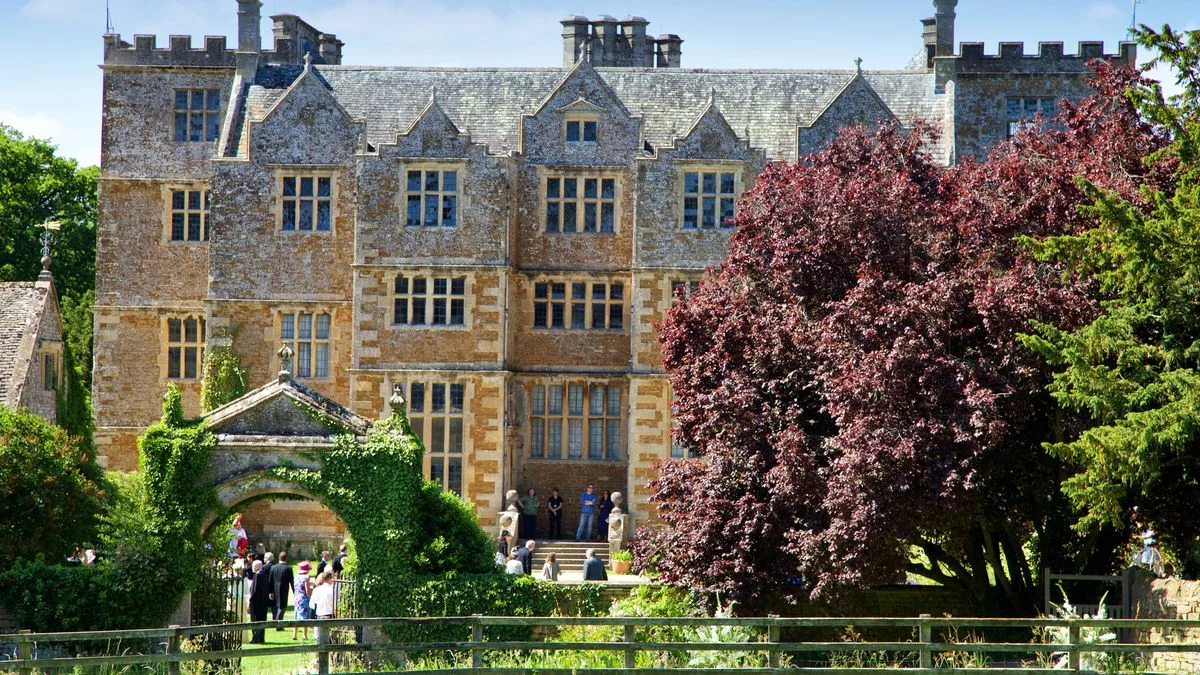
Nestled near Moreton-in-Marsh in Oxfordshire, Chastleton House stands as a magnificent 17th-century estate, a real-life time capsule that has remained virtually unchanged for over four centuries. Originally constructed in 1612 as a bold statement of wealth and power, this stunning property was home to the Jones family for generations, preserving its historical essence through careful preservation rather than restoration.
A Legacy of Family Ownership
The estate's story begins with Walter Jones, who purchased the land from the Catesby family in the early 1600s. He demolished the existing structure and built the grand house that stands today, intending it to reflect his successful legal career and establish him as a country gentleman. The property stayed within the Jones family for an remarkable 400 years, passing through direct descendants and distant relatives alike.
Arthur Jones, the last direct descendant, inherited Chastleton in 1813 and made some structural enhancements. After his death, ownership transferred to John Henry-Whitmore Jones, a cousin by marriage. The family's long stewardship ended in 1991 when maintenance costs became prohibitive, leading to the National Heritage Memorial Fund's acquisition and subsequent transfer to the National Trust.
Preservation Philosophy
The National Trust adopted a unique approach to Chastleton House: preservation over restoration. Rather than modernizing or extensively renovating the property, they focused on repairing damaged areas to ensure structural stability, a process that took six years. This strategy maintained the mystical atmosphere accumulated over centuries of family memories and historical events.
Most of the house's original contents remain exactly as they were when the family lived there, creating an authentic time capsule experience. The property reopened to the public in 1998, allowing visitors to witness its magic firsthand.
Architectural and Historical Highlights
Chastleton House boasts several remarkable features that draw history enthusiasts and casual visitors alike. The Long Gallery contains the country's longest-surviving barrel-vaulted ceiling, with plasterwork refurbished in 1904 after periods of neglect. At the west end of the room, rare 17th-century mask heads survive, believed to have been used as protective charms against evil spirits.
Beyond the house itself, the estate includes beautifully maintained gardens that offer tranquility and seasonal beauty. The Jacobean Pleasure Garden, also known as the Best Garden, showcases period landscaping, while the Wilderness Walk provides panoramic views of the house and its surroundings throughout the year.
Visitor Experience and Practical Information
Visitors to Chastleton House can explore the grounds and take guided tours through rooms filled with family memories and historical artifacts. One recent visitor described it as "a time capsule of a grand country house decaying over the years," noting the absence of Victorian or later alterations that often obscure historical authenticity.
The property opens annually from mid-March, with operating hours from 1pm to 5pm. Admission prices are set at £15 for adults, £7.50 for children, and £37.50 for family tickets. Many visitors recommend complementing the experience with refreshments at the nearby Chastleton Teas establishment.
As a Grade I listed building, Chastleton House represents not just architectural preservation but the living history of English country life across four centuries, offering a rare, uninterrupted glimpse into Britain's past.






