Gardeners are being warned they could break the law under a little-known rule governing tree cutting in their gardens. Trees are an important part of any garden, providing colour, shade and privacy, as well as a home for wildlife such as birds. But because they are often slow-growing, they can remain a problem for decades without ever becoming one. However, a problem can arise between neighbours when it comes to trees growing over boundaries.
What the law says about cutting overhanging branches
While it is legal to cut the tree hanging over your side, there is a little-known law that involves the cutting. Natalie Welsh from HCB Widdows Mason said: “It can be really frustrating when branches or plants from your neighbour’s garden start to spill over into your space.
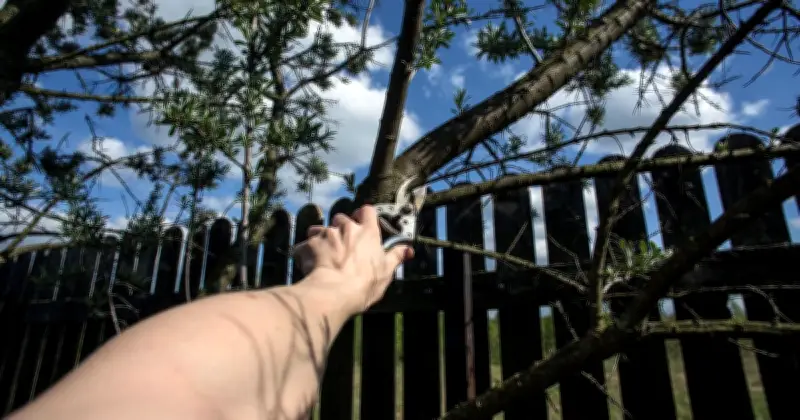
“In England and Wales, you’re allowed to cut back any branches that cross onto your property, but only up to the boundary line. Just make sure you don’t step onto your neighbour’s land or damage the tree itself.”
Who pays for the removal and disposal
Natalie recommended having a friendly chat with your neighbour prior to making any changes, explaining your plans, especially if you think a tree surgeon is needed. She added: “If the branches are overhanging onto your side, you’re responsible for the cost of having them removed, not your neighbour. Once you’ve cut them back, you’re also responsible for getting rid of the branches properly.
“The cut branches belong to your neighbour, and you can offer to return them, but you mustn’t just throw them back over the fence—that’s fly-tipping, which is illegal.”
What to do with the trimmings and boundary responsibilities
If your neighbour doesn’t want the trimmings, the expert said, then you must dispose of them responsibly, such as popping them in the garden waste bin or making a trip to your local recycling centre.
Natalie said: “The obligations for maintenance can change over time, and responsibility is often poorly documented. If any plans associated with the property show “T” marks on the title documents (your conveyancer can advise you), this usually indicates the boundaries you are to maintain and repair.
“If there are no such 'T' marks and the title is silent as to boundaries, then it is usually the case that the boundaries are considered party boundaries.”
This means the responsibility for maintaining the boundaries is shared evenly among adjoining properties. In most situations, the expert said a friendly word with the neighbour may help establish views of ownership over any respective boundary in question. This will help to avoid disputes or misunderstandings later down the line.
Natalie noted: “Boundary disputes can often become costly and acrimonious—if you’re not sure about your rights or think things might get tricky, it’s a good idea to speak to a legal expert first.”